Solar panel bird proofing

Building partnerships, one call at a time.

Solar panel bird proofing in Melbourne

If you hear scratching above the ceiling at first light, or you are pulling twigs and dried droppings out of the gutter, something has moved in under the solar panels.

An array sits on frames about 10 to 15 cm above the roof. That gap is dry, warm, shaded and open on every side, which makes it the best nesting site on the building. Pigeons find it first, then starlings and sparrows.

The fix is a physical barrier around the edge of the array. Done properly, it goes on without a single hole in the panel frame or the roof.

What the birds actually do up there

A nesting pair is not the problem. The problem is what collects underneath them over a season: nesting material, feathers and a layer of droppings sitting directly on the roof sheet.

  • Droppings are acidic. On Colorbond they eat through the coating and start the sheet rusting from the top down. On a tiled roof they break down the mortar in the ridge capping.
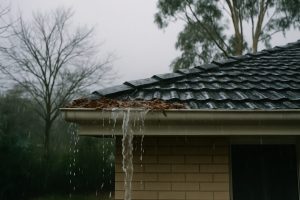
  • Nesting material washes into valleys and gutters in heavy rain, blocks the outlet and backs water up under the tiles and into the eaves.
  • Droppings baked onto the lower edge of a panel shade the cells behind them. A shaded cell works against the rest of the string and heats up, and that hot spot can take out the panel.
  • Cabling, isolators and temperature sensors sit in the same cavity. Birds dislodge them and peck at the insulation.

None of this is visible from the ground, which is why most owners find it through the gutter or through the noise.

Mites, smell and sleep

Bird mites and lice live in the nest rather than on the bird, and they go looking for a host when the nest is abandoned. They travel through ceiling vents, downlight cutouts and the gap around the manhole. In warm weather the smell of an old nest comes through the same openings. The cooing and the scratching start before dawn and carry straight through a plasterboard ceiling.

Which birds you are allowed to move on

Feral pigeons, common starlings and house sparrows are introduced species and are not protected wildlife. Native birds are, under the Wildlife Act 1975, and they do occasionally use the same cavity. So the first job is to look at what is actually up there rather than assume.

Either way, nothing gets sealed in. Blocking a bird under a panel leaves you with a cruelty problem under the Prevention of Cruelty to Animals Act 1986, a smell you cannot reach, and mites with nowhere to go but inside. We check the cavity for live birds and dependent young before anything is closed off, and we use exclusion only: no poison, no traps.

How the mesh goes on

The barrier is steel mesh, galvanised or stainless, with an aperture small enough to keep pigeons and starlings out and open enough to let air move under the panels. It runs continuously around the perimeter of the array, including the corners, which is where a cheap job leaves a gap.

It is held on with purpose-made clips that grip the lip of the panel frame. That detail is the whole job:

  • No drilling. A hole in the panel frame voids the manufacturer’s warranty, and it is not worth the twenty seconds it saves.
  • No screws or fixings into the roof. Every penetration is a future leak, and on a tiled roof it cracks the tile.
  • No adhesive. It lets go after a couple of Melbourne summers and takes the mesh with it.

Spikes are the other thing we get asked about. Under a panel they do not work: birds push past them, or drop enough nesting material on top to walk over the lot. Spikes belong on a ledge or a parapet, not on the edge of an array.

The order of work

Proofing a cavity that is already occupied, without clearing it first, is the most common mistake we are called back to fix. The sequence is:

  • Inspect the cavity and identify what is nesting there.
  • Move the birds on, then remove nests, droppings and debris, including whatever has washed into the gutters and valleys.
  • Sanitise the area to deal with mites, lice and bacteria.
  • Clean the panels themselves, since the droppings on the glass are what costs you output.
  • Fit the mesh around the full perimeter and photograph it.

A single-storey house with a shallow pitch is a straightforward job. A two-storey townhouse, a steep gable or an apartment roof is not, and that is the point at which a ladder stops being an option.

Getting to the array

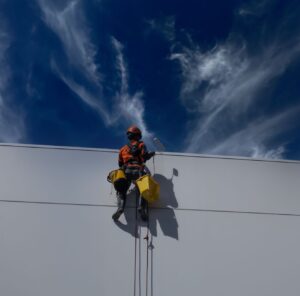
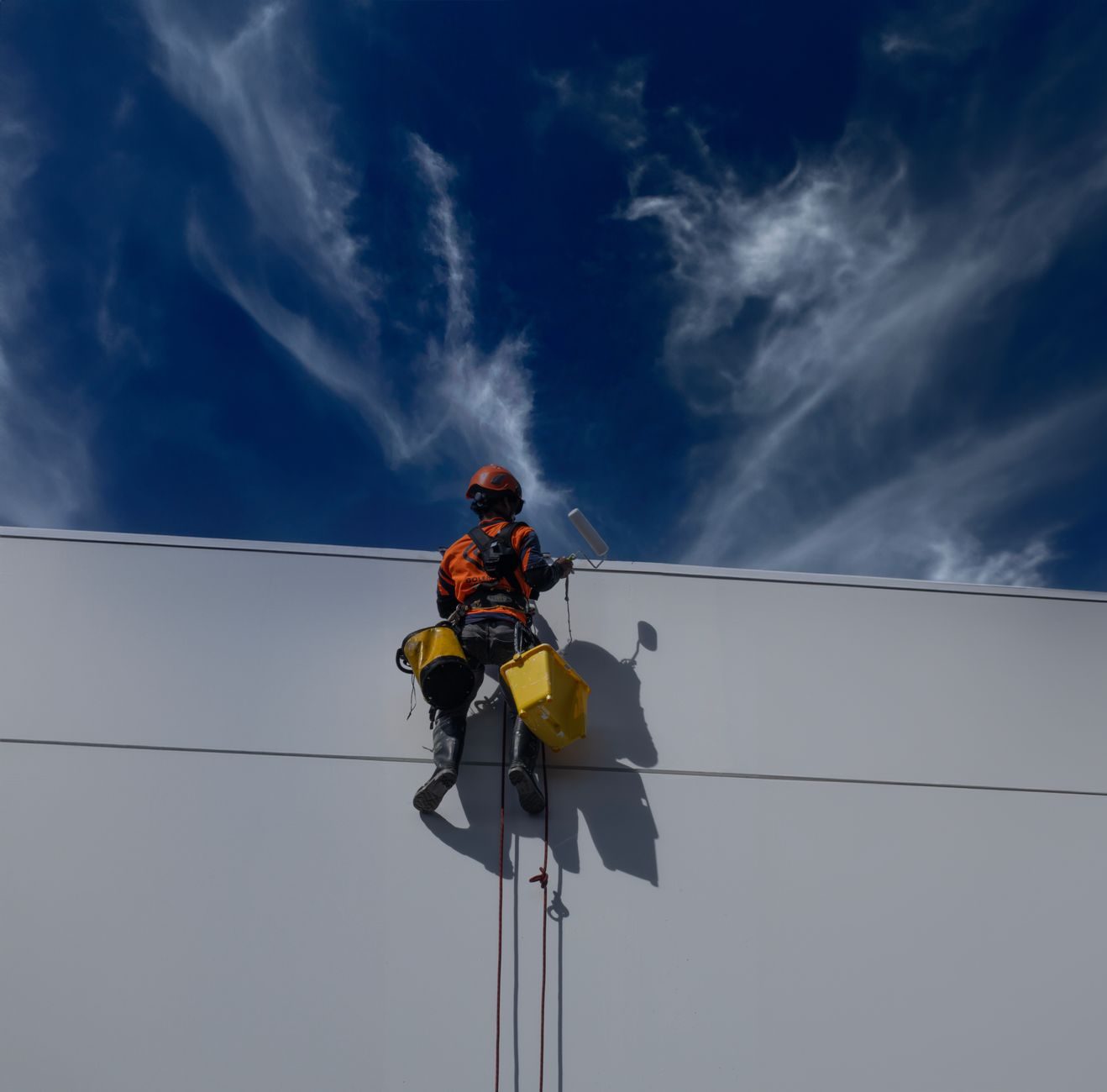
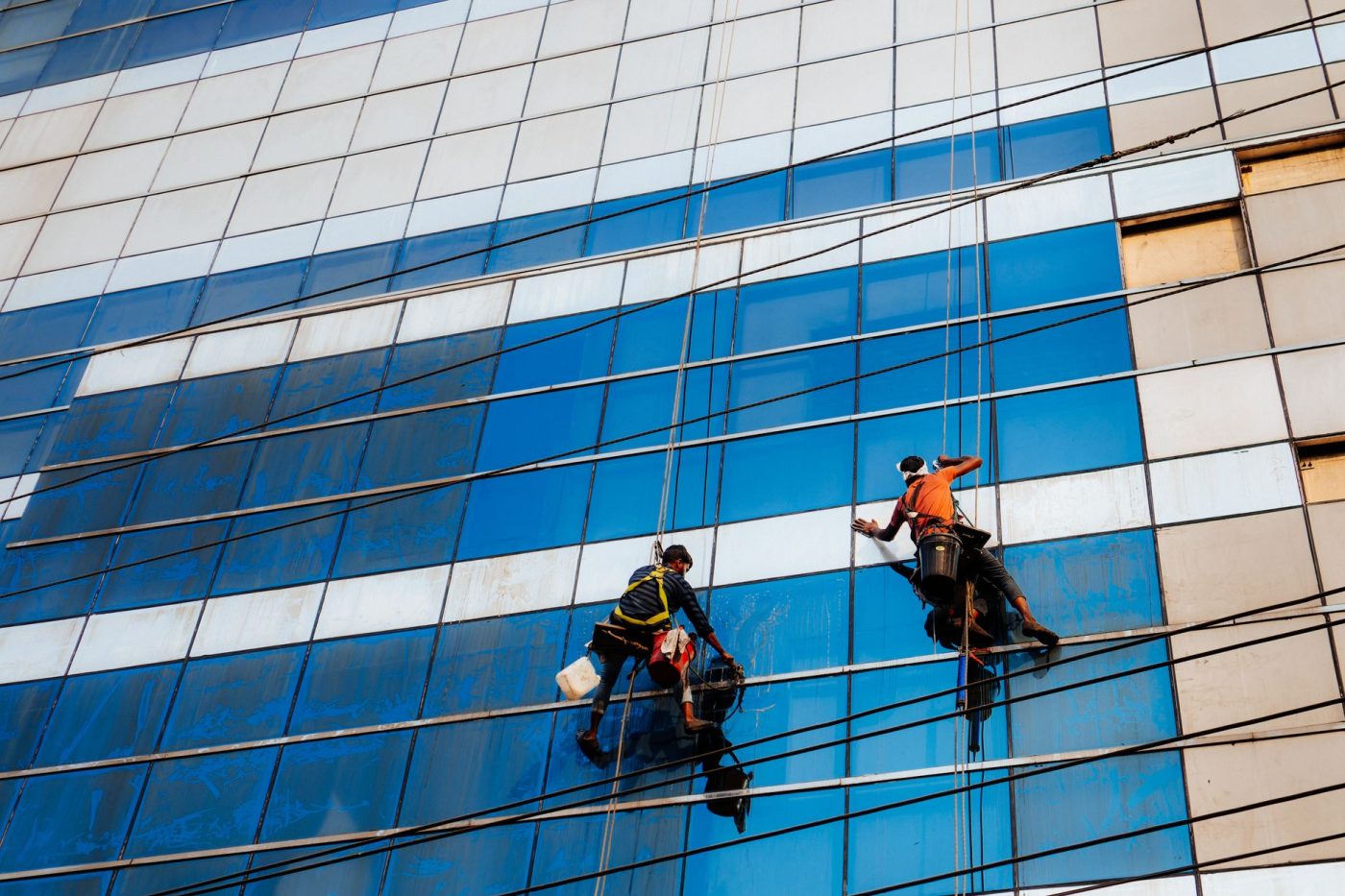
Where a ladder will not do it safely, we work off ropes from certified anchors or from an elevated work platform. Rope access gets us to the outer edges and the ridge without walking the roof, which matters on old terracotta where every step is a cracked tile.

Our crews have worked on ropes since 2013. Technicians are IRATA or ARAA certified and hold Working at Heights tickets. A Safe Work Method Statement is written for any fall risk over two metres, and we carry $20 million public liability. You get a written scope before the job and a photo report of the cleared cavity and the finished mesh after it.

What to ask before you accept a quote

Most of the difference between a job that lasts and one that fails in a year is in the detail, so ask:

  • How is the mesh fixed - clips on the frame, or screws into the frame or the roof?
  • Does the price include clearing and sanitising the cavity, or only fitting the mesh?
  • Are the gutters and valleys cleared of what has washed down from the nest?
  • How will the crew reach the far edge of the array, and what are they certified to do?
  • Do I get photos of what was under there before it was closed up?

Send us the address and a few photos of the roof and we will tell you what the job involves.

Frequently asked questions

How much does solar panel bird proofing cost in Melbourne?

Most homes land between $350 and $1,500. Two things move it: the perimeter of the array and how you get to it. Ten panels in one block on a single-storey roof sit at the bottom of that range, a two-storey or steep roof that needs ropes or an EWP sits at the top. If pigeons have been nesting there for a few seasons, clearing and sanitising the cavity is a real part of the job and is priced in. Apartment blocks and commercial arrays are quoted after we have seen the roof.

Will bird mesh void my solar panel warranty?

Not if it is clipped on. The clips grip the lip of the panel frame and hold the mesh without touching the module itself. What does void the warranty is drilling the frame to screw mesh to it, which is why we never do it. Screwing into the roof sheet or tiles is just as bad for a different reason: every hole is a future leak. If a quote does not say how the mesh is fixed, ask before you accept it.

Can I just put bird spikes around the solar panels?

Spikes do not work in this spot. Pigeons push past them to get into a cavity they already know about, and they drop enough nesting material on top to walk straight over. Spikes are made for a flat ledge or a parapet, where a bird wants to land, not for the edge of an array, where it wants to get underneath. What holds is a continuous steel mesh around the full perimeter, corners included.

There are already pigeons under my panels - what happens first?

The cavity gets cleared before anything is closed off. We check what is nesting there and whether there are dependent young, move the birds on, then remove the nests, droppings and debris, including what has washed into the gutters and valleys. The area is sanitised for mites and lice, the panels are cleaned, and only then does the mesh go on. Sealing birds in is cruel, it is a problem under the Prevention of Cruelty to Animals Act 1986, and it leaves you with a smell you cannot get to.

Why would I need rope access for a roof I can see from the street?

You may not. On a single-storey house with a shallow pitch, a ladder and a roof-safety setup is the sensible method. Ropes earn their keep on two-storey homes, steep gables, townhouses and apartment roofs, where the far edge of the array cannot be reached safely any other way, and on old terracotta where walking the roof costs you tiles. We pick the method for the building, and the quote says which one it is.

WHY US

What you get with every job

Certified crews

IRATA/ARAA-certified technicians on every job, with rescue and work-positioning competencies.

No scaffolding

Rope access means no structure on the ground, no permits for hoardings and no closed footpaths.

Fully insured

Public Liability cover and WorkCover for every employee - details supplied with the quote.

Written scope

You get a documented scope, a Safe Work Method Statement and a photo report on completion.

Working since 2013

Our crews have worked on ropes since 2013, with more than 100 years of combined experience across the team - and every job runs to written contract terms.

What affects the price of solar panel bird proofing

Every roof is quoted after we have seen it, or at least seen photographs of it. These are the factors that move the number up or down - ask us about any of them and we will explain how they apply to your site.

Size of the arrayThe mesh is priced by the perimeter, so ten panels in one block cost less to proof than the same ten spread over two roof faces.
Height and access methodA single-storey pitched roof is quick. Two-storey, steep or apartment roofs need ropes or an EWP, and that sets the crew size and the setup time.
How long the birds have been thereA fresh nest is an hour of work. Years of build-up means clearing, bagging and sanitising before any mesh goes on.
Roof type and pitchOld terracotta and steep pitches mean working off ropes rather than walking the roof, which is slower and safer for the tiles.
What we find underneathCorroded sheeting, cracked tiles or cabling pulled out of its clips are quoted separately, once you have seen the photos.

As a guide, bird proofing a home solar array in Melbourne typically runs between $350 and $1,500, with the height and the state of the cavity doing most of the work in that range. Apartment buildings and commercial arrays are quoted on the job. Quotes are free and carry no obligation.

Suburbs we cover

We work across greater Melbourne - from CBD towers to bayside and outer-suburban sites. If your suburb is not on the list, ask anyway: our crews travel across the metropolitan area and regularly work in regional Victoria.

Aberfeldie · Airport West · Armadale · Balaclava · Balwyn · Beaumaris · Bentleigh · Bentleigh East · Blairgowrie · Brighton · Brighton East · Brunswick · Carnegie · Caroline Springs · Caulfield · Caulfield North · Caulfield South · CBD · Chadstone · Coburg · Dandenong · Daylesford · Eltham · Elwood · Essendon · Footscray · Frankston · Gardenvale · Gisborne · Glenbervie · Glen Iris · Glenroy · Greenvale · Hampton · Heidelberg · Hillside · Ivanhoe · Keilor · Kew · Lilydale · Lower Plenty · Malvern · Malvern East · Maribyrnong · Melton · Moonee Ponds · Northcote · Oakleigh · Oak Park · Officer · Ormond · Parkville · Pascoe Vale · Port Melbourne · Prahran · Preston · Reservoir · Rye · St Kilda · St Kilda East · Strathmore · Sunbury · Sunshine · Taylors Hill · Toorak · Tarneit · Wantirna · Werribee · Williamstown

FROM SITE

Recent work & articles

A rope access technician in safety gear inspects a high-rise apartment balcony while a manager reviews documents nearby.

What documents a contractor must give you after height work

After rope access or facade work on your building, the contractor owes you a set of documents, not just an invoice. This guide lists each one, what it should contain and what to do if it never arrives. Keep it with your owners corporation records so the next contractor and the next committee can find it.

Read More »
A rope access technician in safety gear cleans the exterior windows of a modern residential high-rise building in Melbou

Builders clean before handover: what site managers get wrong

A builders clean is the last step before keys change hands, and it is where most handover delays start. This guide sets out what the clean must cover, what it typically costs in Melbourne, how long it takes and the mistakes that push the handover date back. You finish with a checklist you can put in front of the cleaning contractor before anyone signs off.

Read More »

Request your free consultation