Water & leak detection testing

Building partnerships, one call at a time.

High-access water & leak detection testing in Melbourne: protecting facades from water ingress

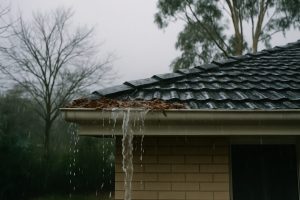
A high-rise facade takes weather every day, and the joints, seals and surfaces give way long before anything shows inside. By the time a stain appears on a ceiling, water has usually been getting in for a while. Leak detection finds where, while it is still cheap to fix.

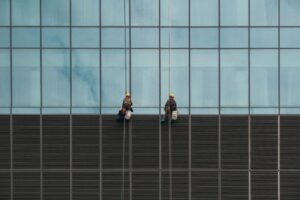
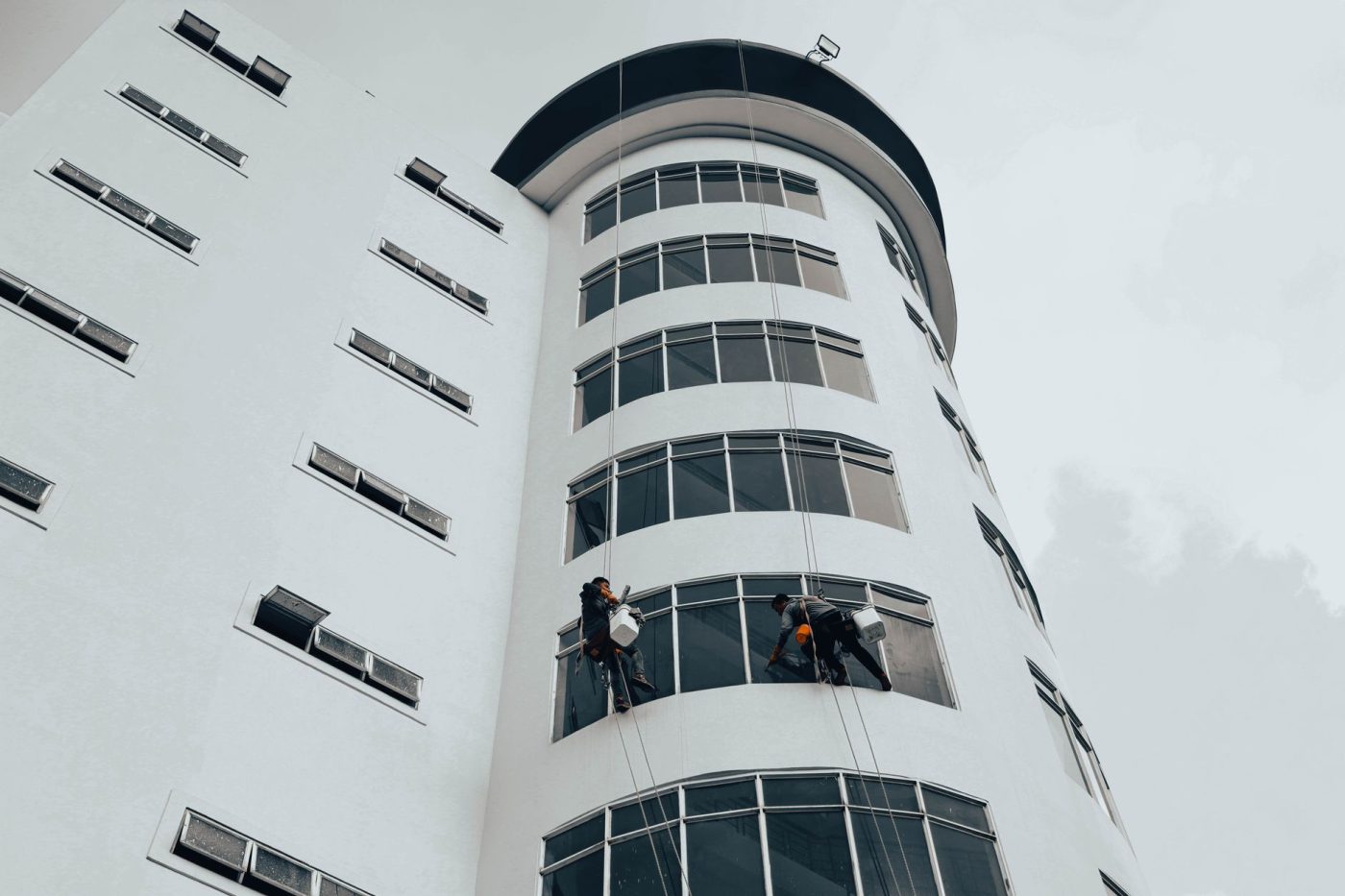
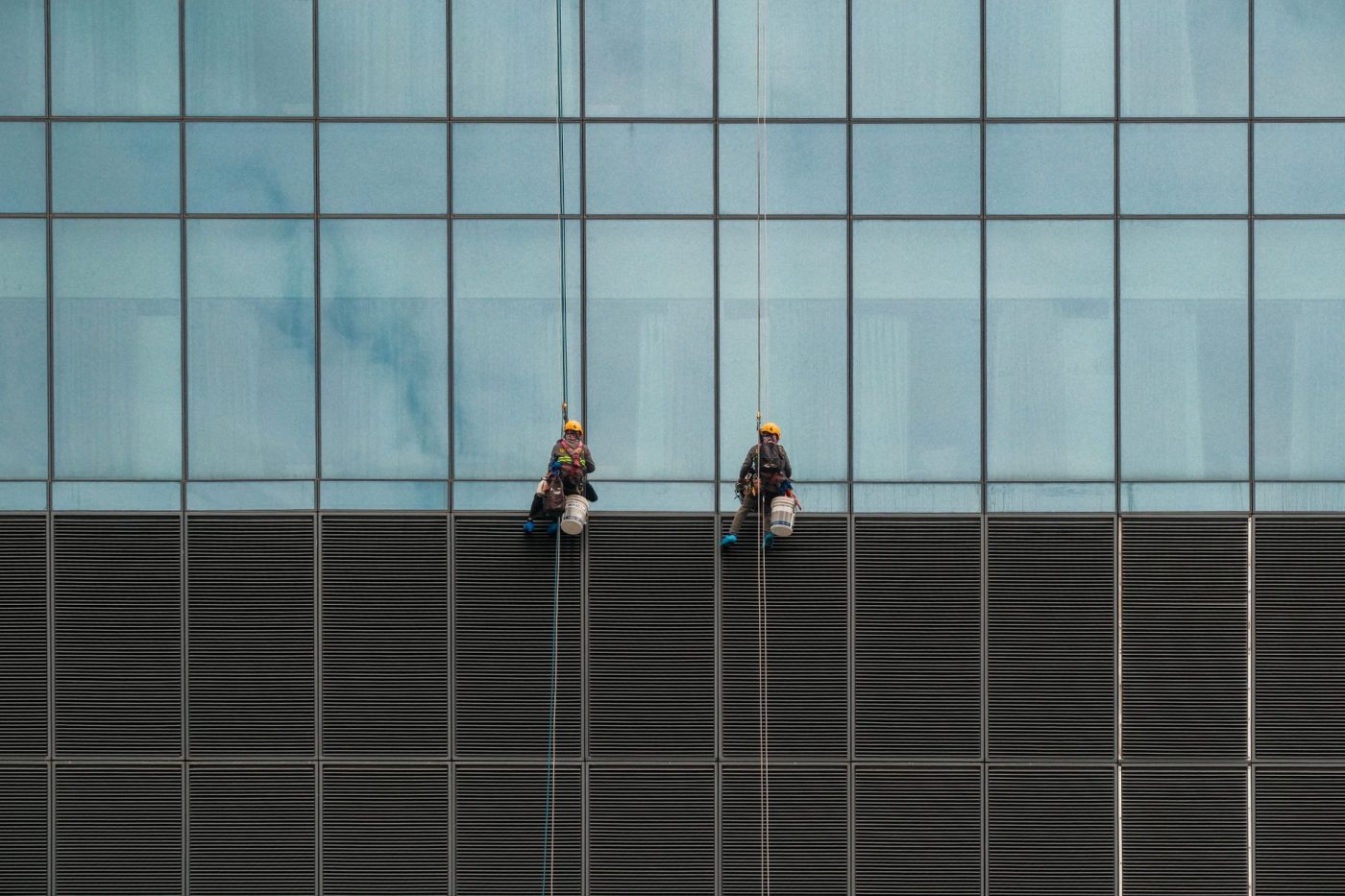
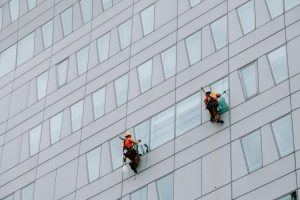
We do it by rope access, so an IRATA/ARAA technician can get right onto the facade and read the joints, penetrations and detailing up close rather than guessing from the ground. That is where leaks start:

  • Failed sealant and caulking in the joints and perimeter seals, which crack and let water through. We can re-seal them in the same visit.
  • Window and glazing seals, and loose or damaged frames where the glass meets the frame.
  • Roof penetrations and flashings where services pass through, including a split cable-access seal, the kind of thing that can get an internal water claim denied.

Safety and the report

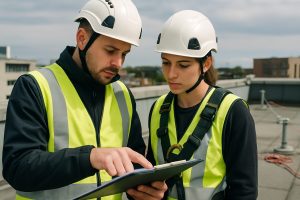
Leak work is height work, so it runs to the Occupational Health and Safety Act 2004. Our technicians are IRATA/ARAA certified and trained in rescue, a risk assessment covers the weather and the structure before the job, and a Safe Work Method Statement is written for any fall risk over two metres. Rope access is a Level 3 control. You get a written report with photos of what was found, which is what the repair and any insurance claim run on.

What it costs

We quote free, on the building. The price moves on the height and complexity, how much is tested from a visual check through to detailed testing of specific joints and penetrations, how hard the suspected source is to reach, and the report at the end. If water is getting in, send us the address and we will trace the source before it turns into a claim.

Frequently asked questions

Why is specialised rope access necessary for water leak detection on high-rise structures in Melbourne?

Industrial rope access (abseiling) is necessary because it provides better accessibility and precision for reaching complex architectural elements and high-rise facades that traditional equipment like scaffolding cannot efficiently access. The stability of the rope system allows technicians to perform diagnostics and testing specifically on hard-to-reach joints, seals, and penetrations, which are common sources of water ingress.

What common issues cause water ingress on commercial facades?

Water ingress is most commonly caused by failed caulking or sealing in expansion joints, around window frames, or at facade penetrations. Our technicians also look for structural concerns, damaged glazing units, and compromised roof penetrations, such as a broken cable access seal, which can channel water into the internal roof cavity and cause damage claims.

What professional qualifications do your leak detection specialists hold?

Our high-access inspection teams are required to hold industry-recognised safety and competency credentials, including IRATA/ARAA certifications. This ensures they are trained in complex rope access techniques, safe equipment usage, and mandatory emergency rescue procedures, essential for performing specialised Level 3 work safely.

What important safety and documentation protocols apply to this inspection work in Victoria?

This work is classified as high-risk construction work if it involves a fall risk over two metres. Therefore, a full Safe Work Method Statement (SWMS) is mandatory and must be prepared before work starts. The inspection is preceded by a detailed risk assessment, and all processes comply with the Occupational Health and Safety Act 2004.

How does timely leak detection testing benefit the long-term integrity of my property?

Timely detection and subsequent sealing prevent water ingress, which, if left unaddressed, can lead to much more costly repairs by damaging critical building components like insulation, ceiling linings, and electrical systems. Regular inspection helps identify these defects early, preserving the building’s structural integrity and aesthetic value.

WHY US

What you get with every job

Certified crews

IRATA/ARAA-certified technicians on every job, with rescue and work-positioning competencies.

No scaffolding

Rope access means no structure on the ground, no permits for hoardings and no closed footpaths.

Fully insured

Public Liability cover and WorkCover for every employee - details supplied with the quote.

Written scope

You get a documented scope, a Safe Work Method Statement and a photo report on completion.

Working since 2013

Our crews have worked on ropes since 2013, with more than 100 years of combined experience across the team - and every job runs to written contract terms.

What affects the price of water & leak detection testing

Every building is quoted after we have seen it. These are the factors that move the number up or down - ask us about any of them and we will explain how they apply to your site.

Height and access methodRope access, elevated work platform or suspended platform - the method is chosen for the building, and it sets the crew size and setup time.
Surface area and conditionHeavy soiling, salt, traffic film or construction residue take longer and need specialised products.
Facade complexityRecesses, angled or domed glazing, tight gaps between buildings and heritage detailing all slow the descent down.
Access and anchor pointsBuildings with certified anchor points are quicker to set up. If there are none, temporary systems or installation are quoted separately.
SchedulingWork outside trading hours, staged access or occupied tenancies affect the programme. Regular maintenance cycles are cheaper per visit than one-off jobs.

Quotes are free and carry no obligation. Where the work is subject to a compliance requirement, the quote states which standard it is carried out to.

Suburbs we cover

We work across greater Melbourne - from CBD towers to bayside and outer-suburban sites. If your suburb is not on the list, ask anyway: our crews travel across the metropolitan area and regularly work in regional Victoria.

Aberfeldie · Airport West · Armadale · Balaclava · Balwyn · Beaumaris · Bentleigh · Bentleigh East · Blairgowrie · Brighton · Brighton East · Brunswick · Carnegie · Caroline Springs · Caulfield · Caulfield North · Caulfield South · CBD · Chadstone · Coburg · Dandenong · Daylesford · Eltham · Elwood · Essendon · Footscray · Frankston · Gardenvale · Gisborne · Glenbervie · Glen Iris · Glenroy · Greenvale · Hampton · Heidelberg · Hillside · Ivanhoe · Keilor · Kew · Lilydale · Lower Plenty · Malvern · Malvern East · Maribyrnong · Melton · Moonee Ponds · Northcote · Oakleigh · Oak Park · Officer · Ormond · Parkville · Pascoe Vale · Port Melbourne · Prahran · Preston · Reservoir · Rye · St Kilda · St Kilda East · Strathmore · Sunbury · Sunshine · Taylors Hill · Toorak · Tarneit · Wantirna · Werribee · Williamstown

FROM SITE

Recent work & articles

A rope access technician in safety gear cleans the exterior windows of a modern residential high-rise building in Melbou

Builders clean before handover: what site managers get wrong

A builders clean is the last step before keys change hands, and it is where most handover delays start. This guide sets out what the clean must cover, what it typically costs in Melbourne, how long it takes and the mistakes that push the handover date back. You finish with a checklist you can put in front of the cleaning contractor before anyone signs off.
Read More »

Request your free consultation