High-rise caulking & waterproofing (waterproofing membranes)

Building partnerships, one call at a time.

High-rise caulking & waterproofing: protecting Melbourne assets from water ingress

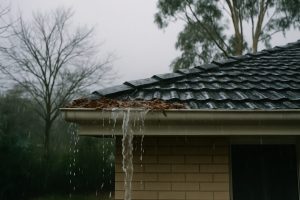
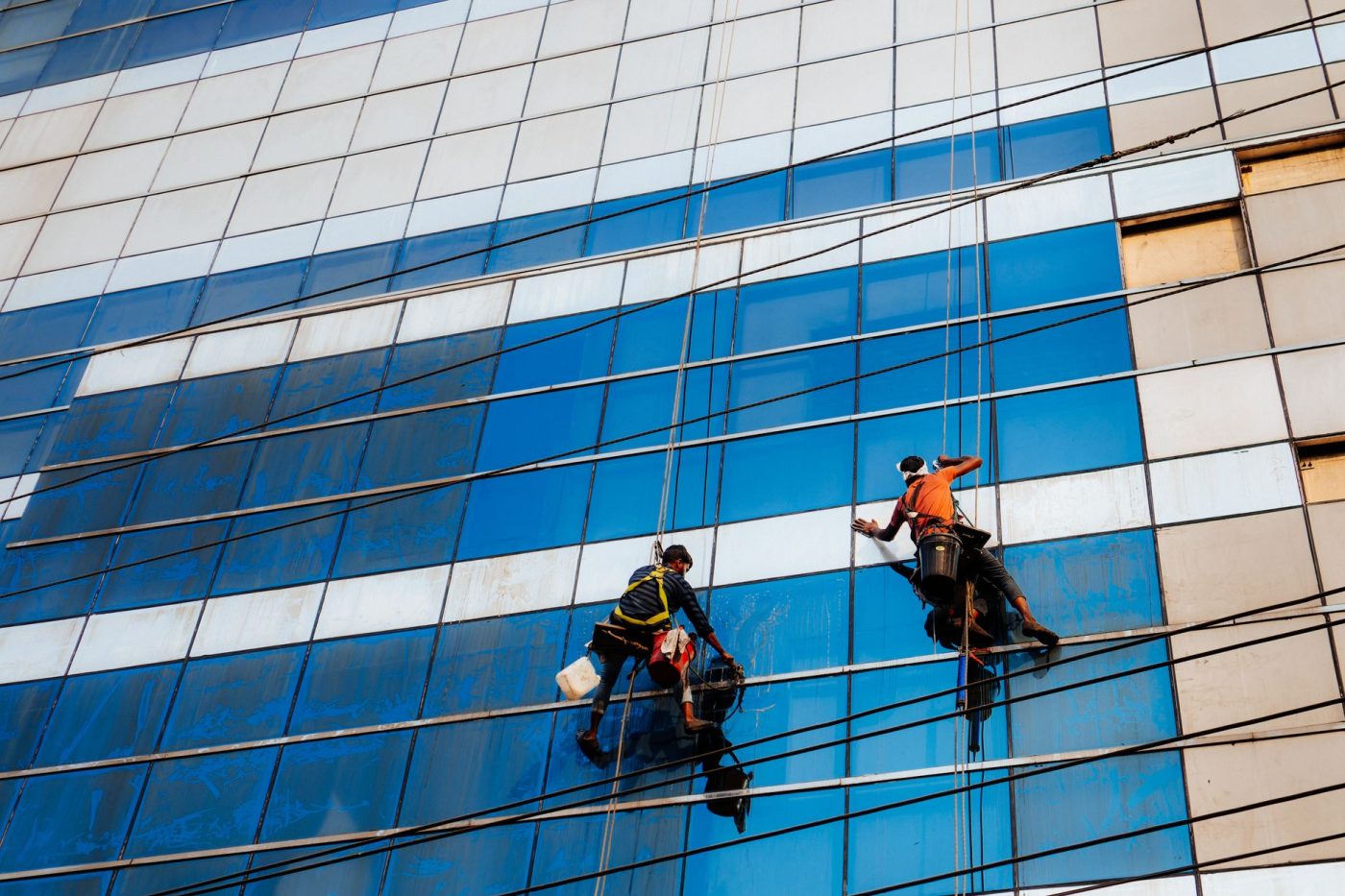
Melbourne weather is hard on a facade, and the joints and seals are where it gets in first. Once water is past the building envelope the damage moves inside and gets expensive. High-rise caulking and waterproofing keeps it out, and the joints that need it, high up and in the wind, are the ones a ladder or a platform cannot easily hold position on.

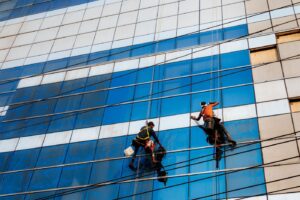
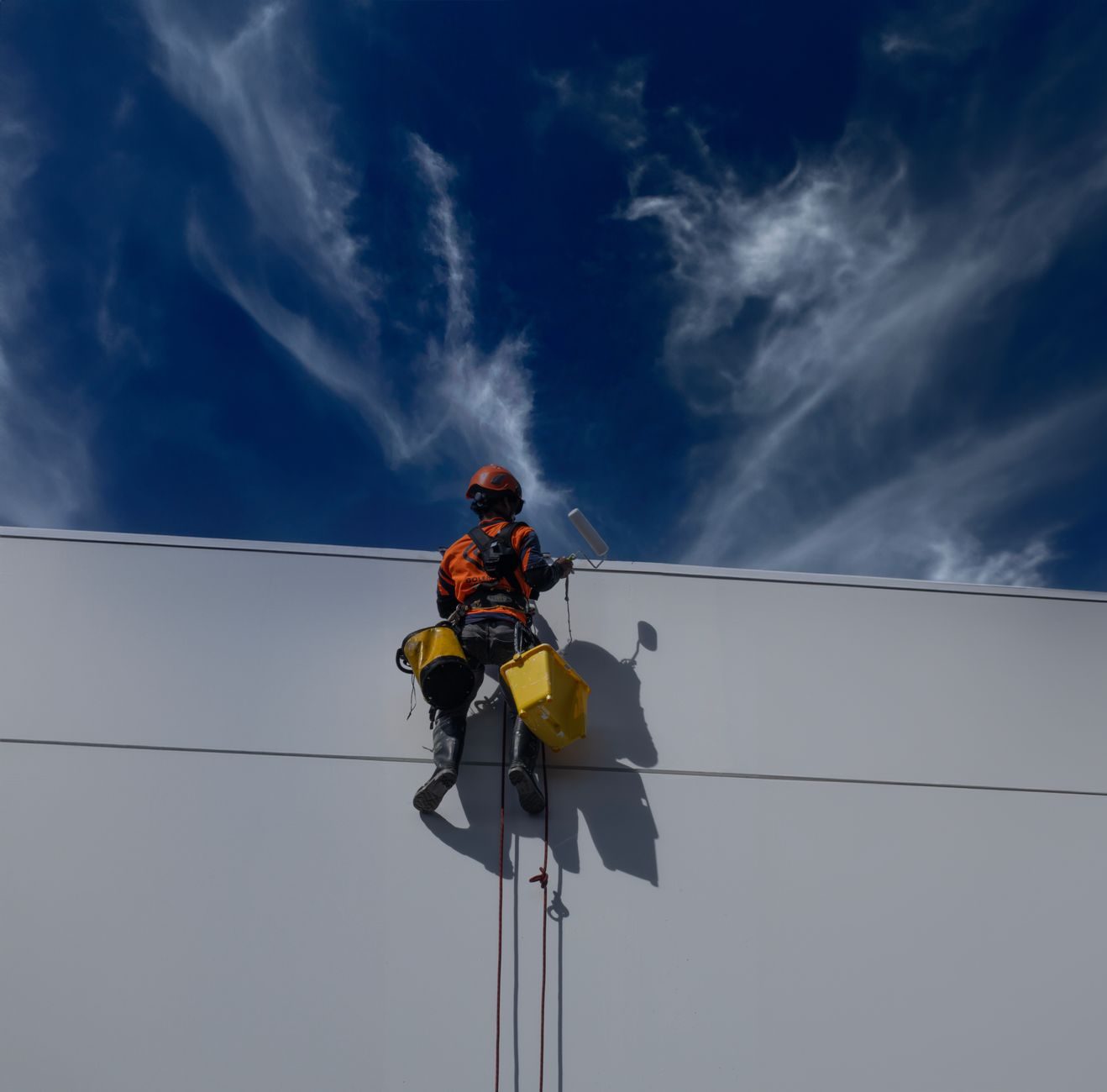
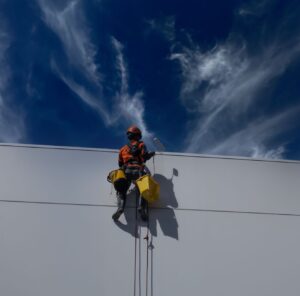
We do the work by rope access, which puts a technician right on the joint with the stability to lay sealant properly. On a job we prepare the surface first, cleaning off dirt and old perished sealant so the new bead actually bonds, then re-seal the joints, window frames and facade openings with a sealant made for high-rise exteriors. Done properly it keeps the rain out and cuts the draughts, which helps the building hold its temperature.

Safety and Victorian OHS

Caulking at height is high-risk work, so it runs to the Occupational Health and Safety Act 2004 and its regulations under WorkSafe Victoria. A risk assessment covers the weather and the structure before the job, and a Safe Work Method Statement is written for any fall risk over two metres. Our technicians are IRATA/ARAA certified and trained in rescue, the anchors the access hangs off are certified to Australian standards, and rope access is used as a Level 3 control where passive protection (Level 2) is not practical.

What it costs

We quote on the building. The price moves on the height and complexity, the linear metres of joint to be done and any facade cleaning it needs first, the condition of the surface and how much old sealant has to come off, and the grade of sealant the job calls for. Ask us to look at your building, and we will quote the caulking.

Frequently asked questions

Why is high-rise caulking needed for Melbourne buildings

High-rise caulking and sealing protects your building in two main ways. It prevents structural damage and lowers energy costs. Exterior sealants form the first line of defence against water entering the facade and internal structure. Stopping water stops long-term problems like mould, mildew, and corrosion. Sealing exterior gaps also cuts down on draughts. This helps control indoor temperatures and improves overall energy efficiency across the building.

What is industrial rope access caulking

Industrial rope access is abseiling work performed by trained IRATA or ARAA technicians. Ropes allow workers to reach tight corners, unusual structural shapes, and high sections where scaffolding or heavy platforms are impractical. Caulking requires exact placement and full access to building joints. Hanging directly in front of the surface lets technicians apply sealant accurately without dealing with bulky access equipment on site.

What safety standards apply to high-rise sealing technicians

Technicians working at height must comply with Australian safety standards and the Victorian OHS regulatory framework. Workers hold industry qualifications, including IRATA or ARAA certifications. Before any high-risk construction work begins, a site Safe Work Method Statement (SWMS) is mandatory. This document sets out all identified hazards and details the specific control measures needed on site.

How does caulking help building facade maintenance

Proper high-rise sealing works as preventative maintenance for the entire structure. Correctly sealed exterior joints keep water out, preventing leaks, rot, and structural decay. Fixing worn sealants early stops small issues from turning into major structural damage. This approach extends the life of the facade and prevents sudden expenses on heavy restoration work.

Are abseil anchor points waterproofed after installation

Anchor points act as fixed safety attachments for height access. Every installation must comply with Australian safety standards and requires regular inspection. When anchors penetrate a roof or facade surface, technicians seal the surrounding gap during the caulking work. Sealing around anchor fixings keeps the building watertight and prevents water leaks at penetration points.

WHY US

What you get with every job

Certified crews

IRATA/ARAA-certified technicians on every job, with rescue and work-positioning competencies.

No scaffolding

Rope access means no structure on the ground, no permits for hoardings and no closed footpaths.

Fully insured

Public Liability cover and WorkCover for every employee - details supplied with the quote.

Written scope

You get a documented scope, a Safe Work Method Statement and a photo report on completion.

Working since 2013

Our crews have worked on ropes since 2013, with more than 100 years of combined experience across the team - and every job runs to written contract terms.

What affects the price of high-rise caulking & waterproofing (waterproofing membranes)

Every building is quoted after we have seen it. These are the factors that move the number up or down - ask us about any of them and we will explain how they apply to your site.

Height and access methodRope access, elevated work platform or suspended platform - the method is chosen for the building, and it sets the crew size and setup time.
Surface area and conditionHeavy soiling, salt, traffic film or construction residue take longer and need specialised products.
Facade complexityRecesses, angled or domed glazing, tight gaps between buildings and heritage detailing all slow the descent down.
Access and anchor pointsBuildings with certified anchor points are quicker to set up. If there are none, temporary systems or installation are quoted separately.
SchedulingWork outside trading hours, staged access or occupied tenancies affect the programme. Regular maintenance cycles are cheaper per visit than one-off jobs.

Quotes are free and carry no obligation. Where the work is subject to a compliance requirement, the quote states which standard it is carried out to.

Suburbs we cover

We work across greater Melbourne - from CBD towers to bayside and outer-suburban sites. If your suburb is not on the list, ask anyway: our crews travel across the metropolitan area and regularly work in regional Victoria.

Aberfeldie · Airport West · Armadale · Balaclava · Balwyn · Beaumaris · Bentleigh · Bentleigh East · Blairgowrie · Brighton · Brighton East · Brunswick · Carnegie · Caroline Springs · Caulfield · Caulfield North · Caulfield South · CBD · Chadstone · Coburg · Dandenong · Daylesford · Eltham · Elwood · Essendon · Footscray · Frankston · Gardenvale · Gisborne · Glenbervie · Glen Iris · Glenroy · Greenvale · Hampton · Heidelberg · Hillside · Ivanhoe · Keilor · Kew · Lilydale · Lower Plenty · Malvern · Malvern East · Maribyrnong · Melton · Moonee Ponds · Northcote · Oakleigh · Oak Park · Officer · Ormond · Parkville · Pascoe Vale · Port Melbourne · Prahran · Preston · Reservoir · Rye · St Kilda · St Kilda East · Strathmore · Sunbury · Sunshine · Taylors Hill · Toorak · Tarneit · Wantirna · Werribee · Williamstown

FROM SITE

Recent work & articles

A rope access technician in safety gear inspects a high-rise apartment balcony while a manager reviews documents nearby.

What documents a contractor must give you after height work

After rope access or facade work on your building, the contractor owes you a set of documents, not just an invoice. This guide lists each one, what it should contain and what to do if it never arrives. Keep it with your owners corporation records so the next contractor and the next committee can find it.
Read More »
A rope access technician in safety gear cleans the exterior windows of a modern residential high-rise building in Melbou

Builders clean before handover: what site managers get wrong

A builders clean is the last step before keys change hands, and it is where most handover delays start. This guide sets out what the clean must cover, what it typically costs in Melbourne, how long it takes and the mistakes that push the handover date back. You finish with a checklist you can put in front of the cleaning contractor before anyone signs off.
Read More »

Request your free consultation