What documents should you get after height work is finished
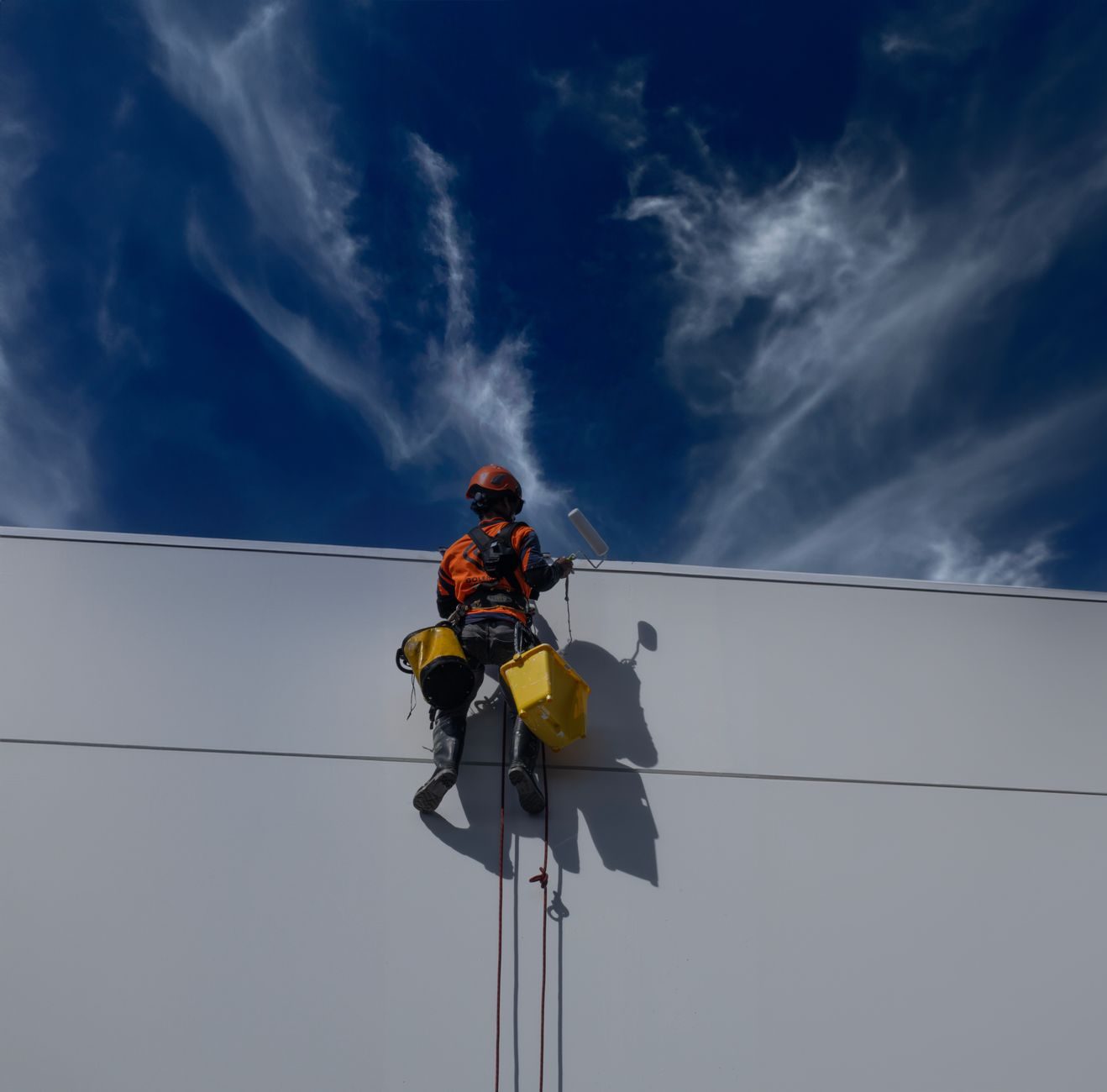
Before you make the final payment, ask for a short set of papers. A contractor working on ropes at height must hand over all of them, not just the invoice. If any are missing, the job is not properly complete.
- A signed SWMS (safe work method statement) matching the work actually done, not the one written at quote stage
- The site risk assessment for your building, signed and dated
- IRATA technician records showing who was on the ropes and their level
- Current public liability and workers compensation certificates of currency
- A completion or compliance statement describing the scope, what was done and anything found
- Before and after photos of the work areas, plus the invoice matched line by line to the agreed scope
Keep these in the building's maintenance file. Future contractors, auditors and insurers will ask for them, and the owners corporation records should show what was done at height and when.
Why does the SWMS matter more than the invoice
The invoice tells you what was done and what it cost. The SWMS tells you whether it was done safely and legally. Under the OHS Regulations 2017, any high risk construction work, including rope access, requires a written safe work method statement before the job starts. After the job, the signed SWMS is your record that the risks were identified and controlled.
If someone is hurt or property is damaged, the first question WorkSafe will ask is whether a SWMS was prepared and followed. Without a SWMS, the owners corporation has no proof of due diligence. That can mean fines, higher insurance premiums, or a finding that the committee failed in its duty of care. The invoice proves you paid; the SWMS proves you managed the risk.
A proper SWMS lists the specific hazards for your building, the control measures used, and the names of the workers who signed on to the method. It is not a generic document. It should mention details like anchor point locations, exclusion zones below, and how wind or weather was monitored on the day. Keep the signed SWMS with the job file. If the contractor cannot produce one, do not accept the work as complete.
What insurance certificates should you check and when
Check two certificates before anyone goes over the edge: public liability and workers' compensation. Public liability cover for height work in Australia is typically between $10 million and $20 million. Anything below $10 million is inadequate for a job that drops tools or water past a dozen floors. Ask for the certificate of currency, not a policy number quoted over the phone.
The certificate must name the correct trading entity. The company that signs your contract has to be the company on the certificate. Watch the expiry date too. A job that runs over a weekend can straddle an expiry date, so check that the cover is current for every day of the work, not just the first day.
- Request certificates of currency before the job starts, not after.
- Check the public liability cover is at least $10 million and notes height or rope access work.
- Confirm the workers compensation policy covers the crew actually on site.
- Match the insured name on the certificate to the name on the contract.
- File the expiry dates and follow up if a job extends past them.
What proof of competence should the rope access team provide
The minimum you need is a current IRATA registration for every technician who worked at height. IRATA is the Industrial Rope Access Trade Association, the international body that sets the training and assessment standards. In Australia, AS/NZS 1891.4 requires rope access work to be done by technicians trained under an accepted system, and IRATA is the one most regulators and insurers recognise.
Ask the contractor for a technician list with each person's name, IRATA level, certificate number and expiry date. The three levels matter: Level 1 is a technician who can do the work under supervision, Level 2 is an experienced operator who can rig and rescue, and Level 3 is a supervisor qualified to manage the job, write the rescue plan and sign off the work. A compliant crew has at least one Level 3 on site; a Level 1 never works alone.
The IRATA certificate is valid for three years. After that the technician must reassess. If a certificate expired six months ago, the technician is not current and should not have been on your building. Check the expiry dates against the dates the work was done. A legitimate contractor supplies this list without being asked. If they push back, something is wrong.
What does a completion statement or compliance report look like
A completion statement is a short document that records what was actually done on the building, not just what was on the invoice. A useful one runs two to four pages and names the job, the date or dates of work, the access method used and the exact areas covered, such as "north facade, levels 12 to 18, render repairs and sealant replacement". Vague wording like "external works as discussed" tells you nothing when the same contractor returns in three years.
Five things should appear in it every time. Check for these before you accept the job as finished:
- The scope performed, matched against the quote, including any variations approved along the way.
- Materials and products used, with brand names for sealants, coatings or anchors, so future trades know what is on the wall.
- Defects found but not rectified, such as cracked spandrels or corroded fixings outside the agreed scope, with their locations.
- The anchor points used and the last certification date for each, since anchors must be re-certified at intervals under AS/NZS 5532 and AS/NZS 1891.4.
- Dated photos of the work areas, taken before and after, so the condition of the facade is on record.
The photos matter more than they look. When a leak appears on level 14 two winters later, before-and-after images settle whether the fault was there at handover or developed since. Ask for the report within a week of completion, while the crew still remembers the details, and file it with the invoice.
What should you do if documents are missing or incomplete
Put the request in writing. An email is fine, but it must name each missing document and set a deadline. Fourteen days is reasonable for most paperwork. If the contractor promised a compliance report or proof of insurance, quote the date they promised it and the clause in your agreement that covers it.
Withhold final payment if your contract allows it. Most standard agreements let you retain a portion until all deliverables are handed over. Check the retention clause before you act. If you have already paid in full, ask the contractor in writing to confirm they will supply the documents regardless, and note that you consider the job incomplete without them.
Record the gap in committee minutes. A short note is enough: what is missing, when you asked for it, and the deadline you gave. If the contractor later claims something was never requested, the minutes are your record. The same note helps if an insurer or WorkSafe asks for paperwork you do not have yet.
How long should you keep the records and who holds them
Keep the full set of documents with the owners corporation records for the life of the building asset, and in practice hold them for at least 7 years. That covers the minimum retention period most auditors and insurers ask for, plus enough history to show patterns. If a facade anchor was tested in 2019 and again in 2024, the pair of reports proves the cycle, not just the last test.
The owners corporation holds the records, not the individual committee members. If your strata manager keeps them, get written confirmation of where they sit and ask for copies of anything dated before the current contract. Managers change, and paper left in one manager's office has a habit of not following the building.
Pass the whole set on at handover to a new strata manager, including SWMS copies, insurance certificates, IRATA operator cards, anchor test reports and completion statements. List what you handed over and have the new manager sign for it.
- File each job within a week of the completion statement arriving.
- Scan everything and keep one digital copy with the owners corporation.
- Log anchor test dates so the next inspection is never missed.
- Hand over a signed document list whenever the strata manager changes.
- Check the file yearly against the maintenance plan agreed under the Owners Corporations Act 2006.
FAQ
Do we need the SWMS if the work went without incident?
Yes. The SWMS is the record that the work was planned and controlled, not just a formality. If an incident or dispute surfaces months later, it is the first document an inspector or insurer will ask for. File it with the completion photos.
Who keeps the documents, the committee or the strata manager?
The owners corporation keeps them, and in practice the strata manager holds the file. Either way they belong to the owners corporation, not the contractor. Ask that digital copies are supplied, not only paper.
Can we withhold final payment until documents arrive?
Often yes, if your maintenance contract or purchase order says payment is due on completion of documented work. Check the contract terms before the job starts and state the document list in the purchase order.
What if the contractor has closed down since the job?
You may still be able to recover records from their insurer or from the anchor certification body if anchors were tested. Otherwise record the gap in the minutes and commission an inspection of the affected facade at the next scheduled maintenance round.