I clean solar arrays on roofs across Melbourne. Some systems pick up a light film and keep working fine. Others drop hard after a dry spell or a few months under birds. The question is simple: does the lost power cost more than a clean?
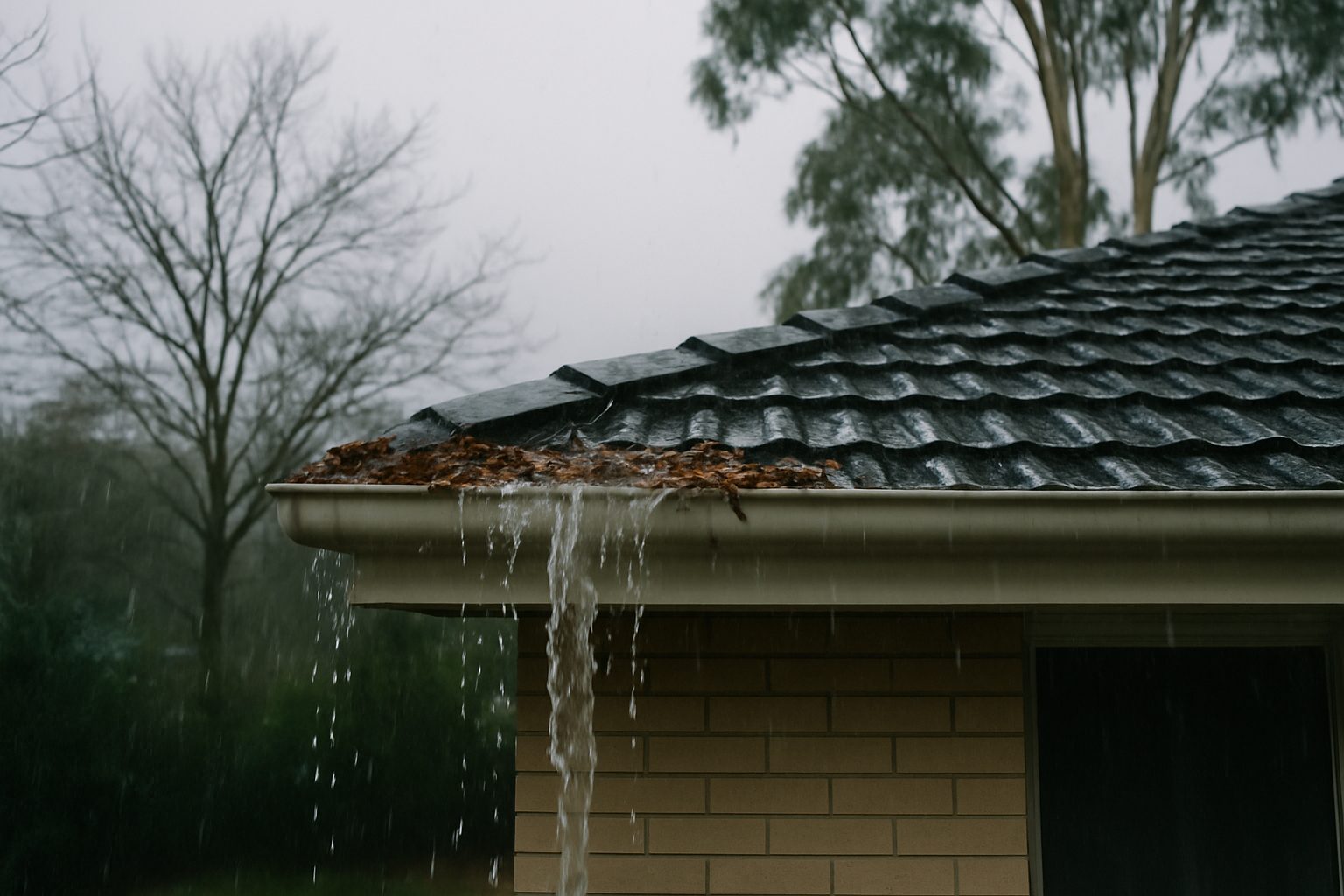
Melbourne isn’t Mildura. We see rain, overnight dew, spring pollen, bird droppings, and salt film near Port Phillip Bay. Some roofs wash clean in a storm. Low-pitch arrays and panels under trees don’t.
What soiling does to a 6.6 kw system
A well-sited 6.6 kW array here will make about 8,000 - 9,000 kWh a year. I use 8,600 kWh as a working number for examples below.
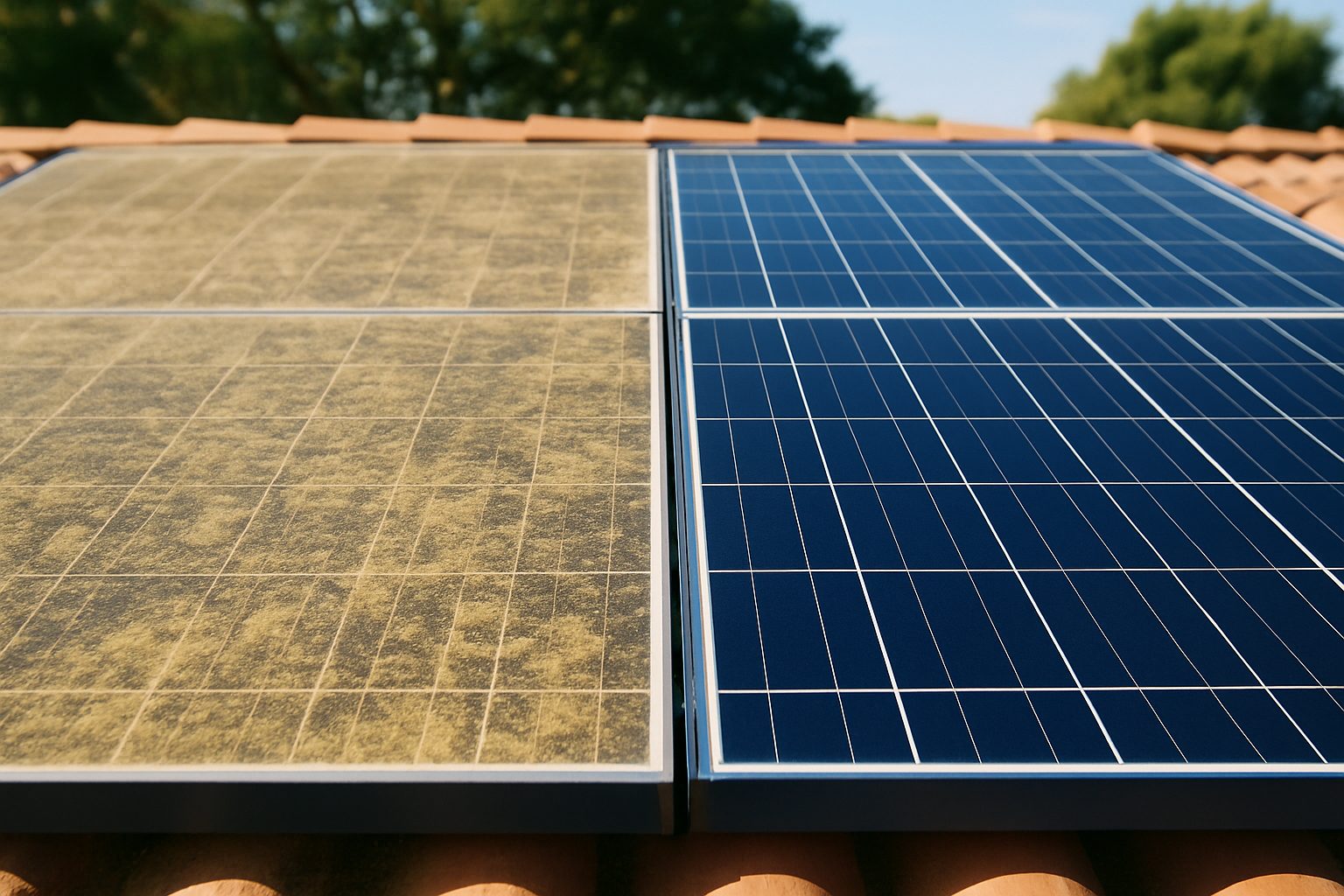
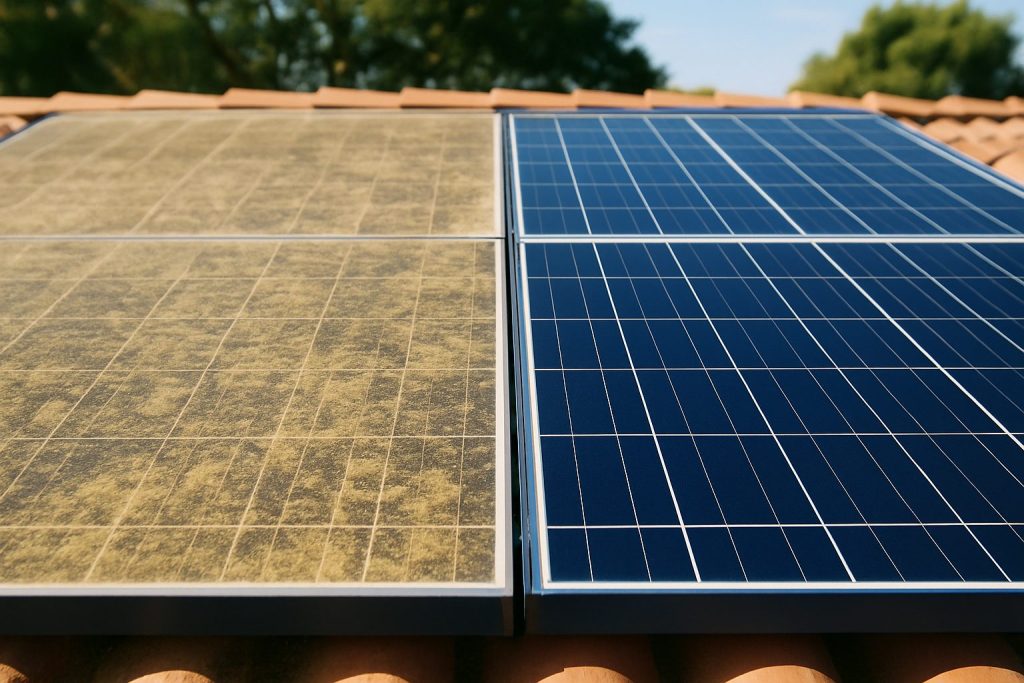
Soiling blocks light. Around Melbourne I usually measure 5 - 15% loss from film and pollen. Under a flowering gum, near a major road, or on a shallow pitch that holds grime after rain, 20%+ is common. Bird droppings cause the worst local issues because they shade cells in a string and harden on the glass.
Dust and pollen scatter light. Lichen and baked droppings absorb it. In spring, plane tree and eucalypt pollen can leave a sticky coat that rain won’t shift. A dry February followed by a still March can load up low-pitch panels within weeks.
Before booking any solar panel cleaning, look at the glass. If you can see film, droppings, or lichen, you’re likely above 5% loss.
Loss translated into dollars
The value of solar depends on timing. Power you use while it’s made offsets retail rates. Exports only earn the feed-in tariff.
Assumptions I see often: 50% self-consumption, 31 c/kWh retail, 5 c/kWh feed-in. That blends to about 18 c/kWh.
Using 8,600 kWh a year as the base:
| Soiling loss | Lost output per year | Lost value per year | Payback at $220 clean |
|---|---|---|---|
| 5% | 430 kWh | $77 | ~34 months |
| 10% | 860 kWh | $155 | ~17 months |
| 15% | 1,290 kWh | $232 | ~11 months |
| 20% | 1,720 kWh | $310 | ~8 months |
Costs vary by roof. A single clean for a 6.6 kW home system in Melbourne usually lands between $180 and $350. Two-storey roofs cost more because of access and safety. Strata is priced per panel or per array.
If you’re sitting around 10 - 15% soiling, a clean often pays back inside a year. Under 5% soiling, payback runs past three years. Some owners still clean before a sale or to document a warranty issue.
One dropping can take down more than it covers. Cells are in series, so a blob across two cells can throttle the whole panel. Sometimes a spot clean is enough.
If your inverter app shows this March is down ~8% on last March, and shade or faults haven’t changed, soiling is a good suspect. Check that before you book.
When cleaning does not pay for itself
Plenty of arrays in Melbourne should be left alone until there’s a reason.
- Steep roofs (30°+). Rain scrubs most loose dust. Access costs rise, gains shrink.
- Regular rain, no trees, decent pitch. Tilted panels often stay fine unless there’s sap, lichen, or droppings.
- Vacant in the day. If most power is exported at ~5 c/kWh, the value lost to soiling is small.
- Old arrays with weak output. Spending $250 on a tired 12-year-old system may not stack up against replacement.
On apartments, one dirty panel in a string can drag others. But if access is via a steep facade or limited roof space, the access bill can overshadow the energy gain. Body corporate usually decides.
The opposite cases are clear. Low-pitch roofs, coastal homes, and arrays under deciduous trees collect grime and lichen. Cleaning those often shows a visible jump on the inverter the same day.
Why high-pressure water and household chemicals cause damage
A general pressure cleaning setup is wrong for solar glass. So are many household cleaners.
High pressure can drive water past edge seals into the junction box or backsheet and open up micro-cracks. Most panel makers specify low pressure and soft washing, often with deionised water. Blast them and you may void the warranty.
Window sprays, ammonia, and abrasives can mark the anti-reflective coating. That leaves haze and streaks that cut output after the “clean”. Solvents attack frame seals and backsheets. Safe method: pure water and a soft brush. Not the same as a driveway.
I also avoid cleaning in full sun. Cold water on hot glass risks thermal shock. Early morning or overcast is better.
How rope access cleaning works in Melbourne
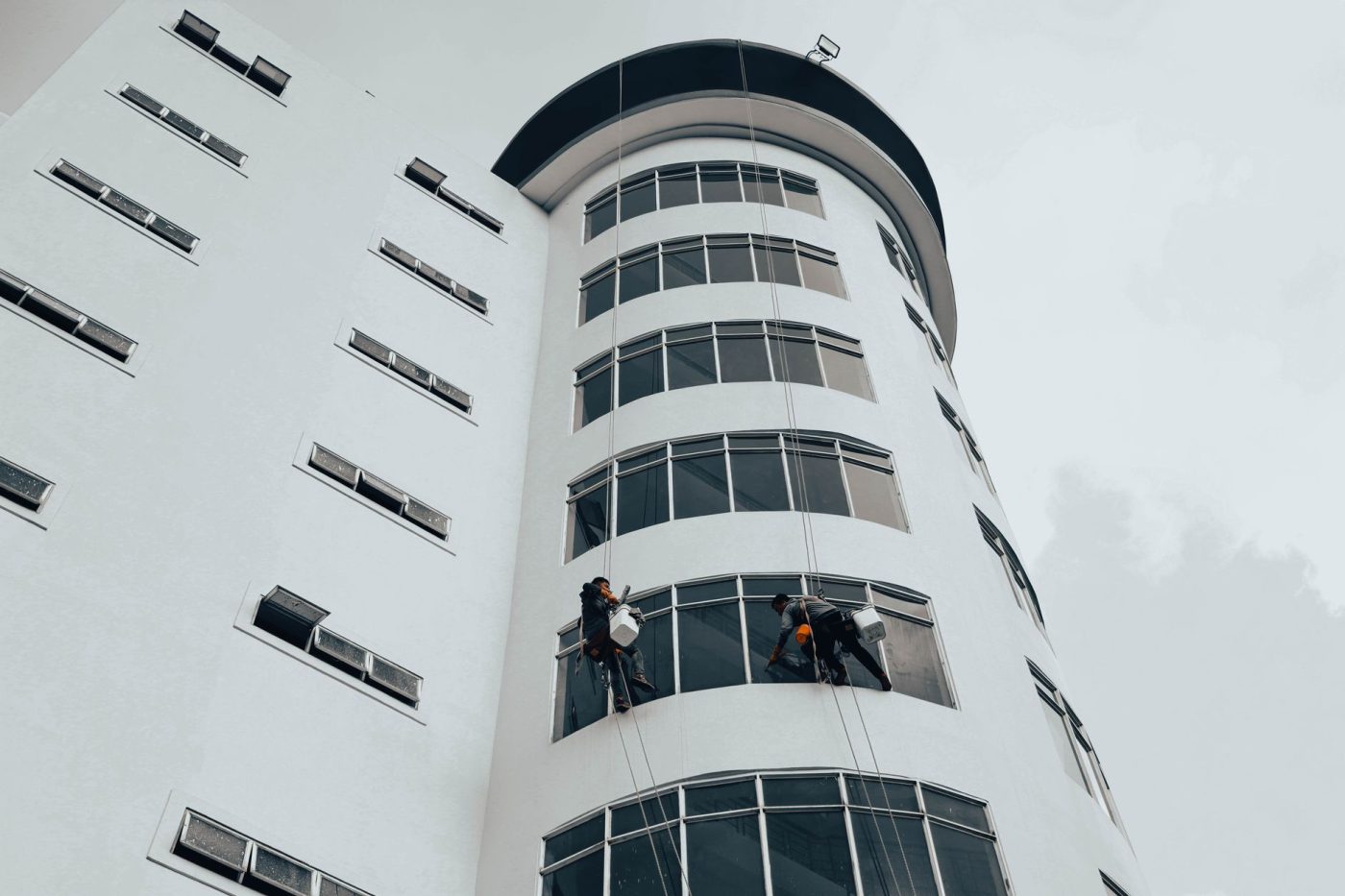
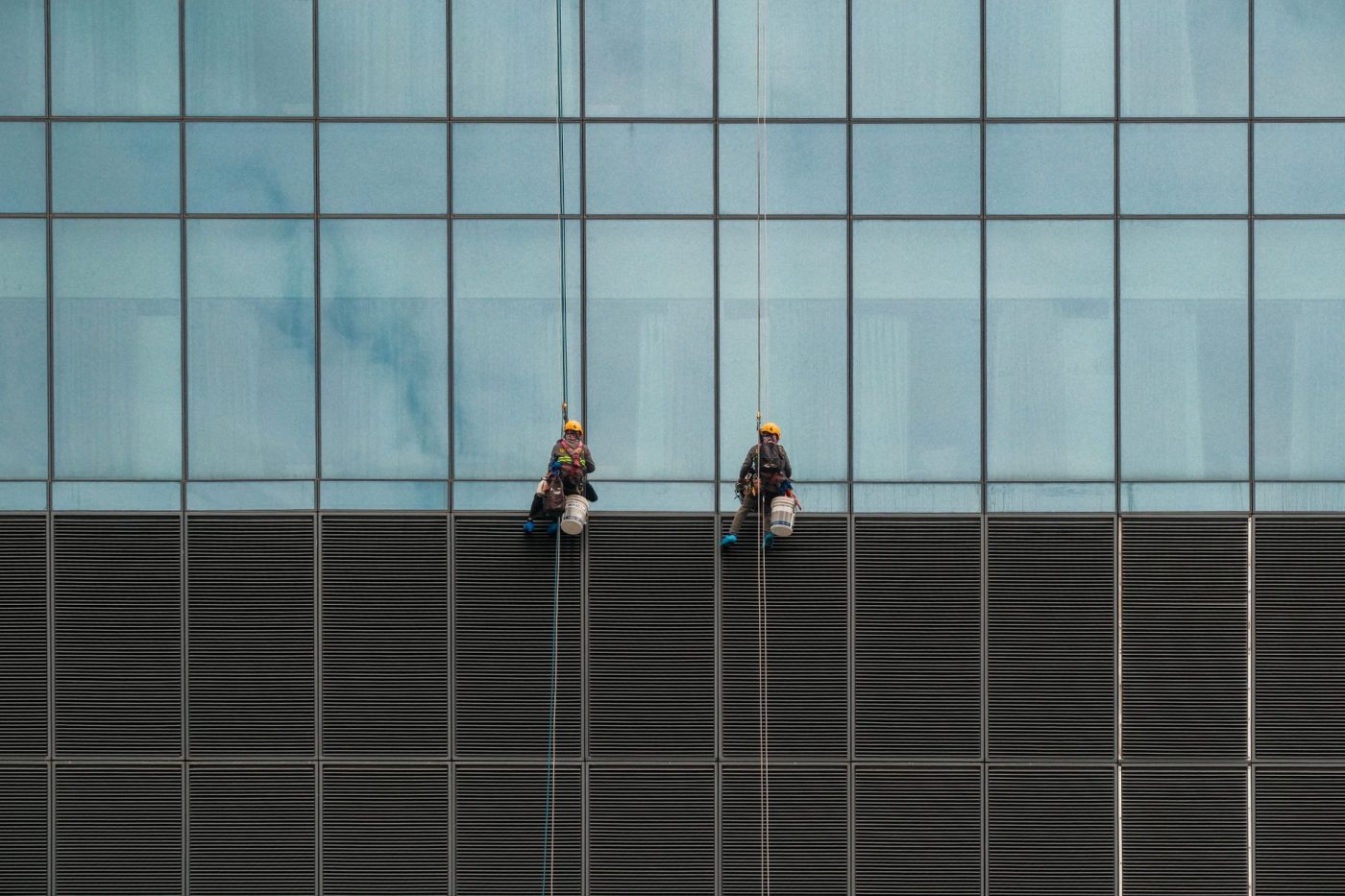
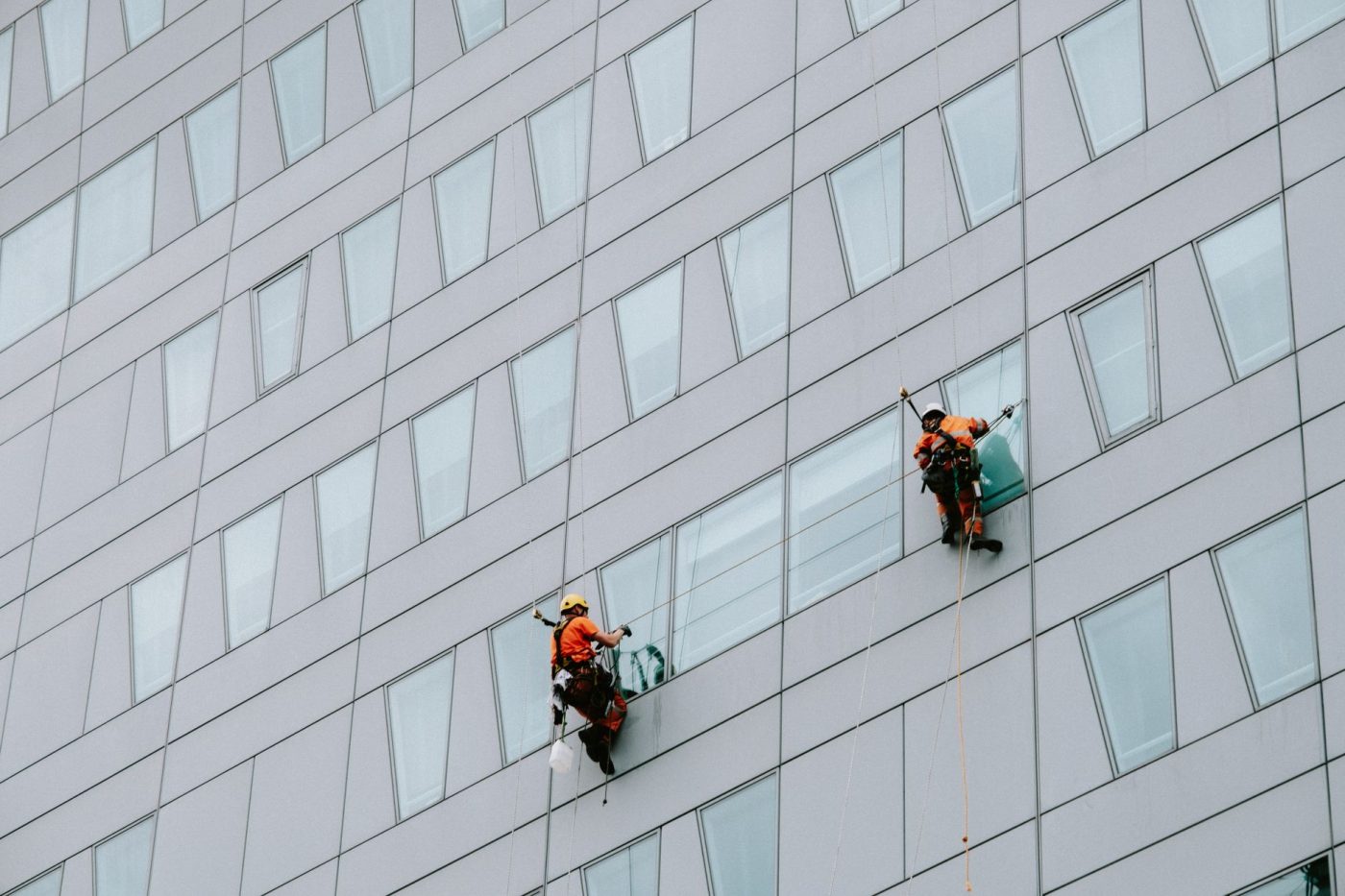
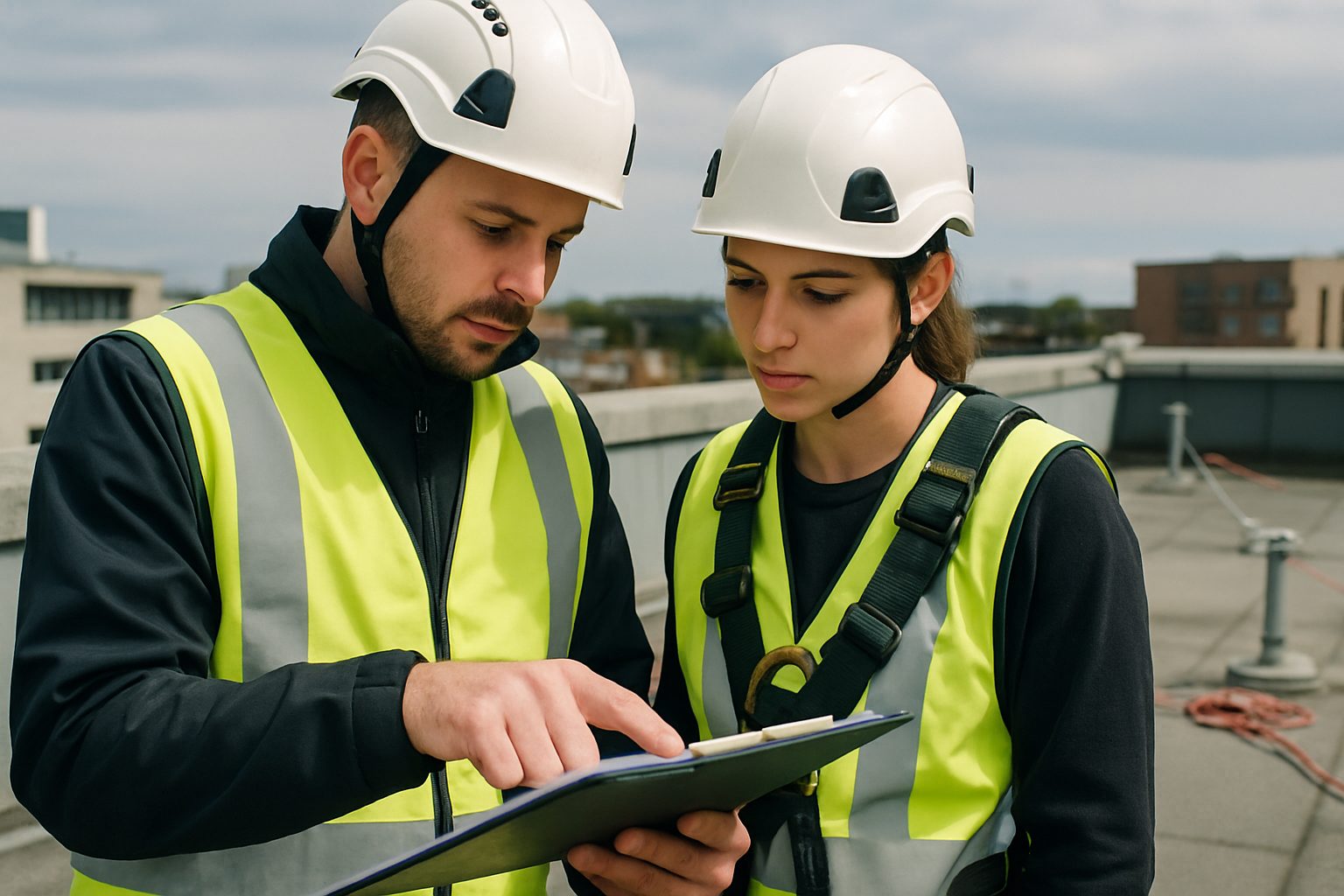
We use IRATA-certified technicians for high walls, steep roofs, and multi-storey work. Anchors and gear are set and used to AS/NZS 1891. WorkSafe Victoria requires a safe work method statement for rope access; low-pressure panel cleaning sits under the same controls.
On a two-storey 6.6 kW array in St Kilda East, a standard visit is: set anchors, descend or traverse, low-pressure rinse, soft-brush clean, spot treatment for droppings, final rinse. While I’m there I look for cracked glass, loose clamps, perished backsheet, and exposed wiring. That pays off on older systems.
Pricing is site-specific because pitch, anchor options, and obstacles change the job. Photos from street and roof level help me quote fast and avoid surprises.
Cleaning frequency isn’t fixed. Check output against the same month last year, or inspect the glass after a dry spell. Most Melbourne homes are fine on an 18 - 24 month cycle. Dense trees or roosting birds can push that to yearly, often spring.
If you’re unsure, ask for a production check first. If the glass is clean and the numbers are steady, I’ll say so. The call comes down to output, soiling type, and access cost.
Frequently asked questions
How often should solar panels be cleaned in Melbourne?
Most homes are fine every 18–24 months. Under trees, near busy roads, or with regular roosting birds, plan on a spring clean. After a dry spell, if you can see film, lichen, or droppings, book it.
Will cleaning my solar panels increase output?
If dirt is visible, yes. Removing a 10-15% loss on a 6.6 kW system in Melbourne is roughly $155–$232 a year at a blended 18 c/kWh. Light dust that rain removes won’t show much change.
Can i clean solar panels myself with a garden hose?
You can rinse reachable panels on low pressure with plain water. Don’t use high-pressure jets or household cleaners, and don’t climb steep or second-storey roofs. For height work, rope access is safer and usually cheaper than a ladder fall.
How much does solar panel cleaning cost in Melbourne?
For a 6.6 kW home array, expect about $180–$350. Two-storey, steep roofs, and strata cost more due to access and safety. Quotes should be site-specific after a quick look at the roof.