Roof cleaning

Building partnerships, one call at a time.

Roof cleaning in Melbourne: expert exterior maintenance for longevity and curb appeal

The roof takes more weather than any other part of a building and gets looked at the least. Melbourne’s damp winters feed moss, lichen and mould, and that growth holds water against the surface, works into laps and fixings and shortens the life of the roof. Cleaning it is not about looks, it is what stops the slow damage.

We clean every common roof surface: tile, concrete, metal and Colorbond, glass, Perspex and fibreglass sheeting. The method depends on the material, because the wrong pressure can strip a coating and void the warranty, so a technician looks at the roof and its condition before deciding how to clean it.

Soft washing and pressure cleaning

Soft washing is the safest option for most roofs. It uses low pressure, around 150 to 300 PSI, with a biodegradable cleaner that breaks mould, mildew and algae down at the root rather than blasting it off. It suits older tile, shingle, slate and Colorbond, where a hard clean would do damage. Where a section is too steep or unsafe to reach, we can spray the treatment from the ground or an EWP and let it work over the following three to four months.

High-pressure cleaning, from about 1,300 to 2,800 PSI, is for heavy build-up on hard surfaces like concrete or terracotta tile, and as the prep step before a roof is repainted or restored. Even then we keep the pressure down, use a wide fan and stand well back, and we fix cracked tiles and ridge capping first so water cannot get in behind the clean.

Safety and the environment

Roof work is height work, so it runs to Australian WHS standards under WorkSafe Victoria. A risk assessment and SWMS are written with the crew before the job, everyone is trained and certified for height, and we work off harnesses, roof systems and secured ladders. We carry full Public Liability Insurance and every employee is covered by WorkCover.

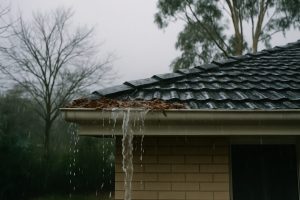
Run-off is the other duty of care. We pre-wet and cover gardens and sensitive planting, and direct all run-off to approved drains rather than the stormwater system, in line with council and EPA guidance, using biodegradable products.

What it costs

A roof clean is quoted on the property, and as a rough guide it runs from about $500 for a small roof to $1,250 and up for a large one, quoted free after we have seen it. The main things that move the price:

  • The roof size and material, measured in square metres and whether it is tile, concrete or Colorbond.
  • The condition, since heavy moss, thick lichen or stubborn staining needs treatment, hand-scraping and dwell time.
  • The access and pitch, because two storeys, a steep pitch or a fragile surface needs an EWP or rope access.
  • The method, since soft washing with a chemical treatment can cost more than a straight pressure wash.
  • How often it is done. An annual clean is cheaper than a one-off after years of build-up.

It is often worth doing the gutters in the same visit, since a clean roof needs the water to drain, and the solar panels too if you have them, because dirt cuts their output. Send us the roof type and the address, and we will quote the clean.

Frequently asked questions

Is high pressure cleaning safe for roofs?

High-pressure washing suits durable materials like sound concrete or terracotta tiles. Using high pressure incorrectly can gouge surface coatings, drive water under tile laps and shorten roof lifespan. Fragile surfaces like slate, shingles or Colorbond metal require soft washing with low pressure and chemical solutions to remove growth without damaging materials.

Why is roof cleaning important in Melbourne?

Melbourne's cold, wet climate accelerates the growth of moss, mould and lichen. These organisms trap moisture against roof materials, causing deterioration, tile cracking and metal corrosion. Heavy moss growth blocks water flow across tiles, forcing water into the roof cavity and leading to internal property leaks. Regular cleaning provides preventative maintenance against structural damage.

How often should a roof be cleaned in Melbourne?

Most roofs need professional cleaning every two to five years. Roofs shaded by trees, covered in leaf debris or positioned near busy roads with high traffic pollution require shorter maintenance cycles. Yearly inspections help identify early moss or algae growth, allowing treatment before thick layers cause tile damage or drain blockages.

Does roof cleaning damage gardens or surrounding plants?

Proper roof cleaning procedures protect garden beds and surrounding landscaping. Unmanaged wash runoff can harm plants and enter local waterways. Technicians cover delicate foliage, apply eco-friendly cleaning solutions and direct all wastewater into approved drains. These containment steps prevent chemical damage to soil, lawns and property gardens during the wash process.

Why hire height access specialists for low rise roof cleaning?

Low-rise roof work still involves significant height risks. Height access specialists bring commercial safety protocols to every residential job. Crews hold Working at Heights Certification and complete a Risk Assessment alongside a SWMS or JSA before climbing onto the roof. Fall prevention systems and controlled access techniques prevent fall injuries and avoid damage to roof tiles.

WHY US

What you get with every job

Certified crews

IRATA/ARAA-certified technicians on every job, with rescue and work-positioning competencies.

No scaffolding

Rope access means no structure on the ground, no permits for hoardings and no closed footpaths.

Fully insured

Public Liability cover and WorkCover for every employee - details supplied with the quote.

Written scope

You get a documented scope, a Safe Work Method Statement and a photo report on completion.

Working since 2013

Our crews have worked on ropes since 2013, with more than 100 years of combined experience across the team - and every job runs to written contract terms.

What affects the price of roof cleaning

Every building is quoted after we have seen it. These are the factors that move the number up or down - ask us about any of them and we will explain how they apply to your site.

Height and access methodRope access, elevated work platform or suspended platform - the method is chosen for the building, and it sets the crew size and setup time.
Surface area and conditionHeavy soiling, salt, traffic film or construction residue take longer and need specialised products.
Facade complexityRecesses, angled or domed glazing, tight gaps between buildings and heritage detailing all slow the descent down.
Access and anchor pointsBuildings with certified anchor points are quicker to set up. If there are none, temporary systems or installation are quoted separately.
SchedulingWork outside trading hours, staged access or occupied tenancies affect the programme. Regular maintenance cycles are cheaper per visit than one-off jobs.

Quotes are free and carry no obligation. Where the work is subject to a compliance requirement, the quote states which standard it is carried out to.

Suburbs we cover

We work across greater Melbourne - from CBD towers to bayside and outer-suburban sites. If your suburb is not on the list, ask anyway: our crews travel across the metropolitan area and regularly work in regional Victoria.

Aberfeldie · Airport West · Armadale · Balaclava · Balwyn · Beaumaris · Bentleigh · Bentleigh East · Blairgowrie · Brighton · Brighton East · Brunswick · Carnegie · Caroline Springs · Caulfield · Caulfield North · Caulfield South · CBD · Chadstone · Coburg · Dandenong · Daylesford · Eltham · Elwood · Essendon · Footscray · Frankston · Gardenvale · Gisborne · Glenbervie · Glen Iris · Glenroy · Greenvale · Hampton · Heidelberg · Hillside · Ivanhoe · Keilor · Kew · Lilydale · Lower Plenty · Malvern · Malvern East · Maribyrnong · Melton · Moonee Ponds · Northcote · Oakleigh · Oak Park · Officer · Ormond · Parkville · Pascoe Vale · Port Melbourne · Prahran · Preston · Reservoir · Rye · St Kilda · St Kilda East · Strathmore · Sunbury · Sunshine · Taylors Hill · Toorak · Tarneit · Wantirna · Werribee · Williamstown

FROM SITE

Recent work & articles

A rope access technician in safety gear inspects a high-rise apartment balcony while a manager reviews documents nearby.

What documents a contractor must give you after height work

After rope access or facade work on your building, the contractor owes you a set of documents, not just an invoice. This guide lists each one, what it should contain and what to do if it never arrives. Keep it with your owners corporation records so the next contractor and the next committee can find it.
Read More »
A rope access technician in safety gear cleans the exterior windows of a modern residential high-rise building in Melbou

Builders clean before handover: what site managers get wrong

A builders clean is the last step before keys change hands, and it is where most handover delays start. This guide sets out what the clean must cover, what it typically costs in Melbourne, how long it takes and the mistakes that push the handover date back. You finish with a checklist you can put in front of the cleaning contractor before anyone signs off.

Read More »

Request your free consultation