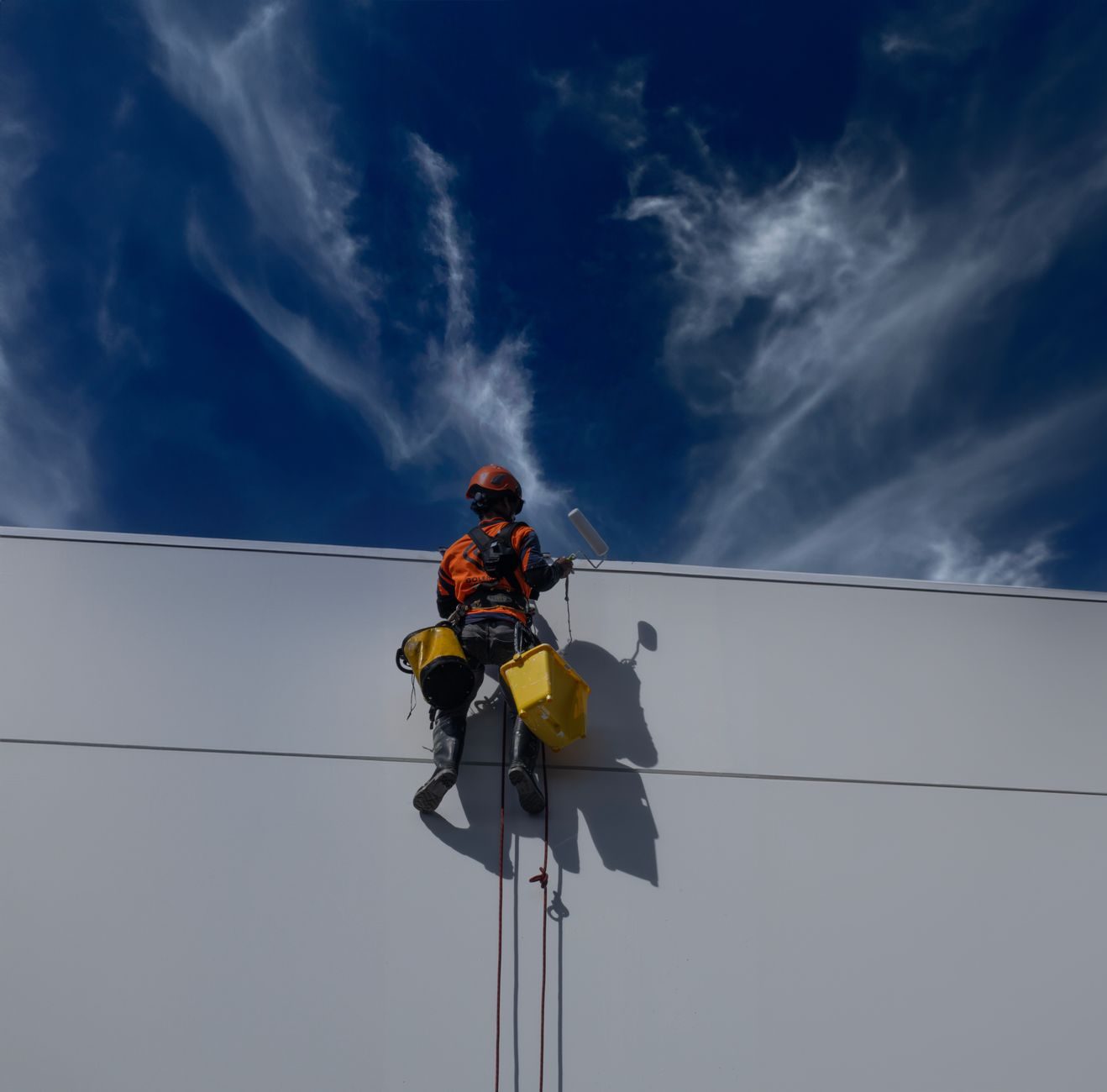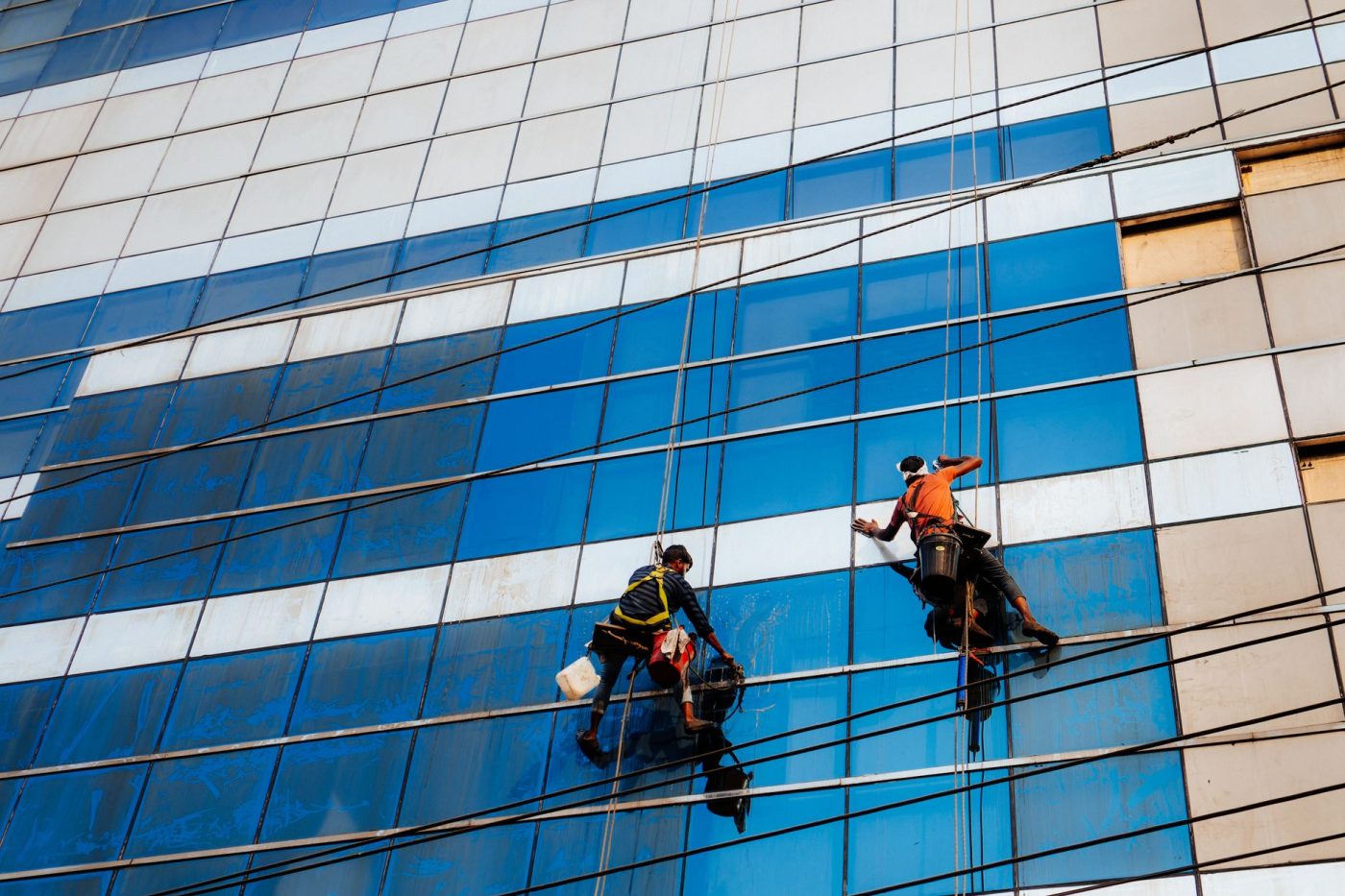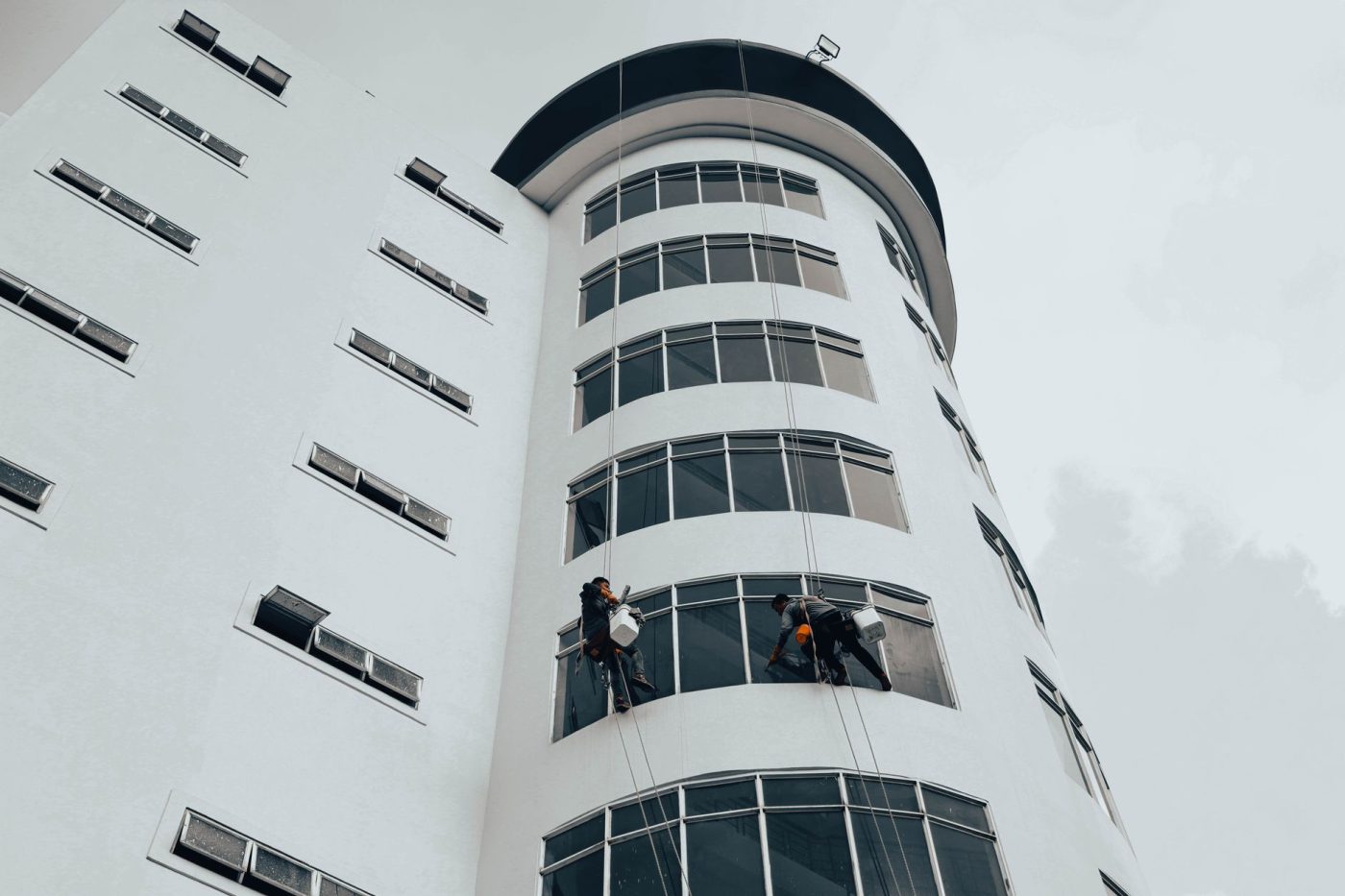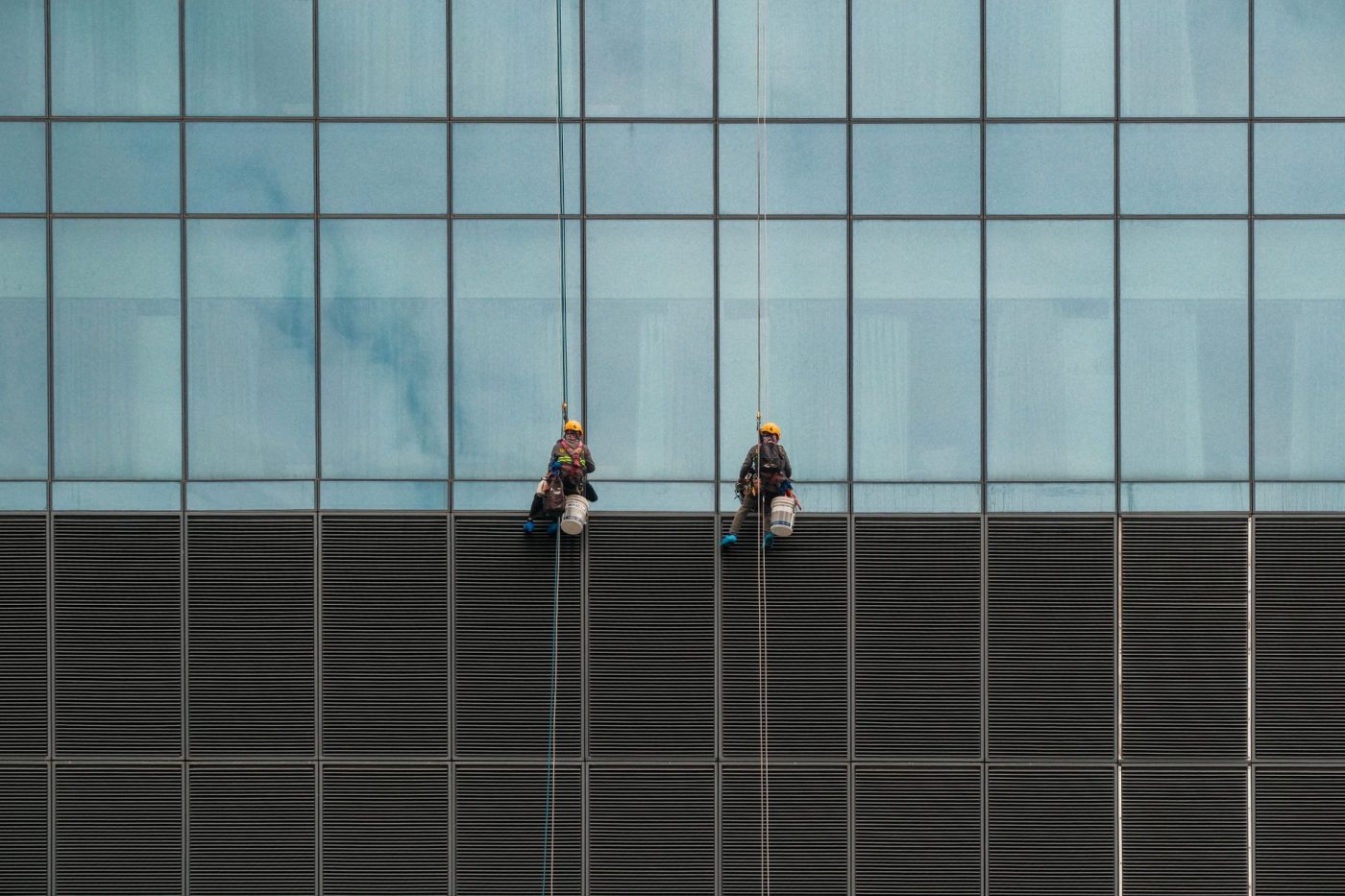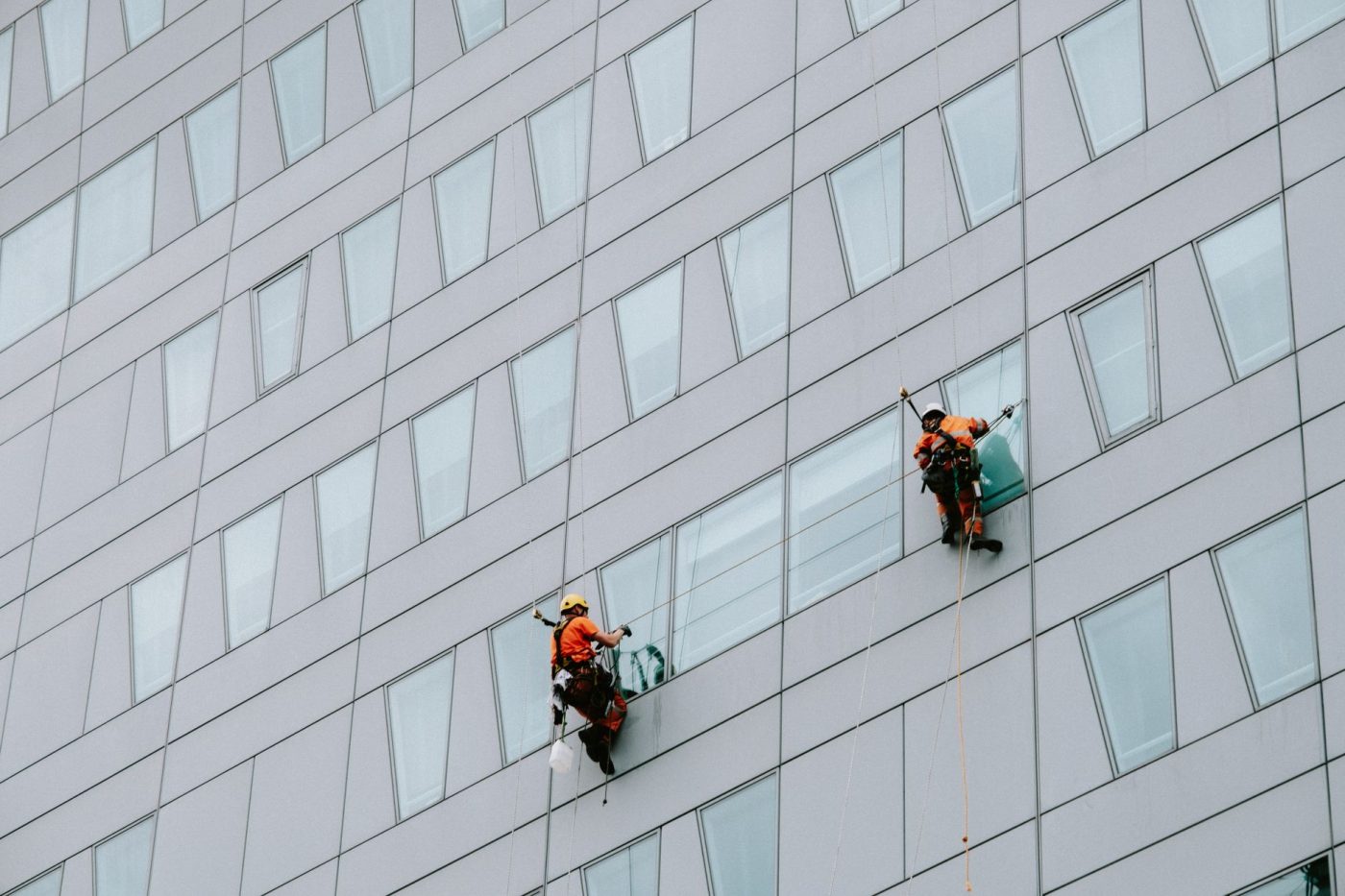
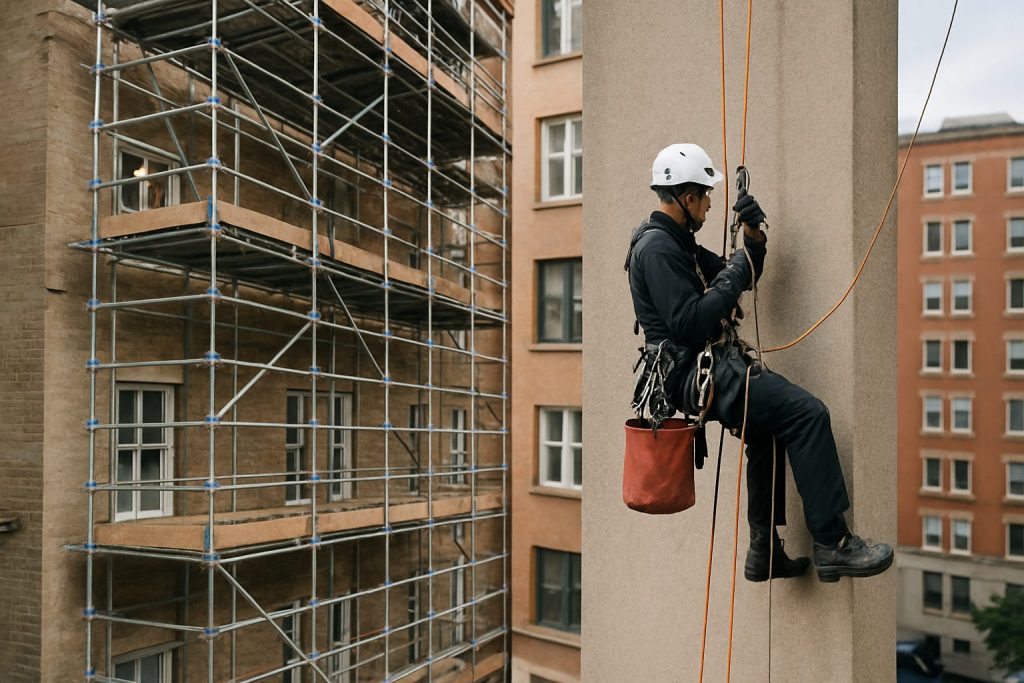
On most Melbourne facades you pick from three tools: rope access, scaffolding, or an elevated work platform (EWP). The cheapest line on a quote isn’t the cheapest once you add setup, parking, permits, weather and how much the job interrupts the building.
We’re based at 120 Hotham Street, St Kilda East VIC 3183, and work across inner Melbourne: St Kilda East, South Yarra, Docklands, Richmond and Hawthorn. Here’s how we pick between the three. Ropes are not a fix for every facade, and scaffolding isn’t always the smart spend either.
The three access methods side by side
Ranges below are in AUD and indicative. The building, access route and site findings set the final number.
| Method | When it wins | When it loses | Impact on occupants | Typical setup time |
|---|---|---|---|---|
| Rope access | Short inspections, localised repairs, tricky geometry, no ground space | Six-week repaints, heavy lifting, poor or missing roof anchors | Low; no lane closure, no full-height scaffold | 30 minutes to 2 hours, depending on anchor points |
| Scaffolding | Full facade works, multiple trades, heavy materials, long repaint programs | One-day repairs, patch jobs, no laydown area | High; walkway closures, noise, visual obstruction, permit timing | Half a day to several days, depending on height and footpath |
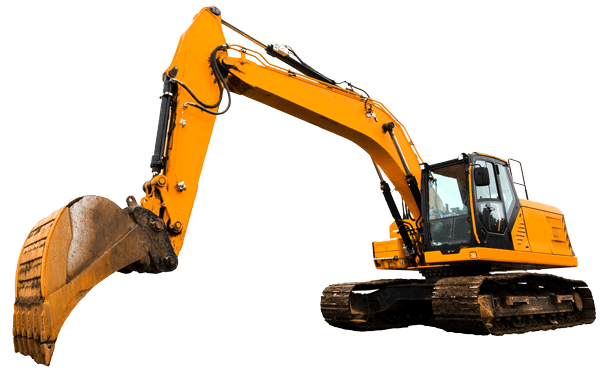
| EWP | Mid-rise with clear ground, quick hops between points, visual checks | Narrow lanes, steep sites, tram wires, weight limits, no parking | Medium; engine noise, swing area, lost parking | 20 minutes to 1 hour per setup, subject to permits |
Three Melbourne jobs, costed honestly
These are ranges. Access, parking and what we find on the day push numbers up or down.
Replace four window seals on level 12
Two techs rope down, remove the beads, clean the rebates, fit new seals and test with a spray bottle. Pack-up is fast. Most sites finish within half a day.
Indicative: $700–$1,400 for rope access, plus materials.
An EWP can work if the street is wide and the boom reaches level 12. With an operator: $800–$1,500, plus permits and a spotter if required. Scaffolding for that patch of facade is usually $2,500–$5,000 because you pay for the structure, not just the touch point. If anchors are absent or the window sits deep in a recess, ropes slow down and the gap narrows.
Paint a full facade over six weeks
Continuous access wins here. Painters need staging for drums and rollers, drop sheets, hose routes and somewhere to park gear overnight. Ropes can do it, but moving a full crew on lines every day loses time, especially with Melbourne wind and rain resets.
Indicative scaffold on a six-storey inner-Melbourne facade: $18,000–$45,000, driven by length and footpath permits. Rope access may look cheaper per day, then drift once you count weather days and lower daily output. Ask for a total program estimate, not just a day rate.
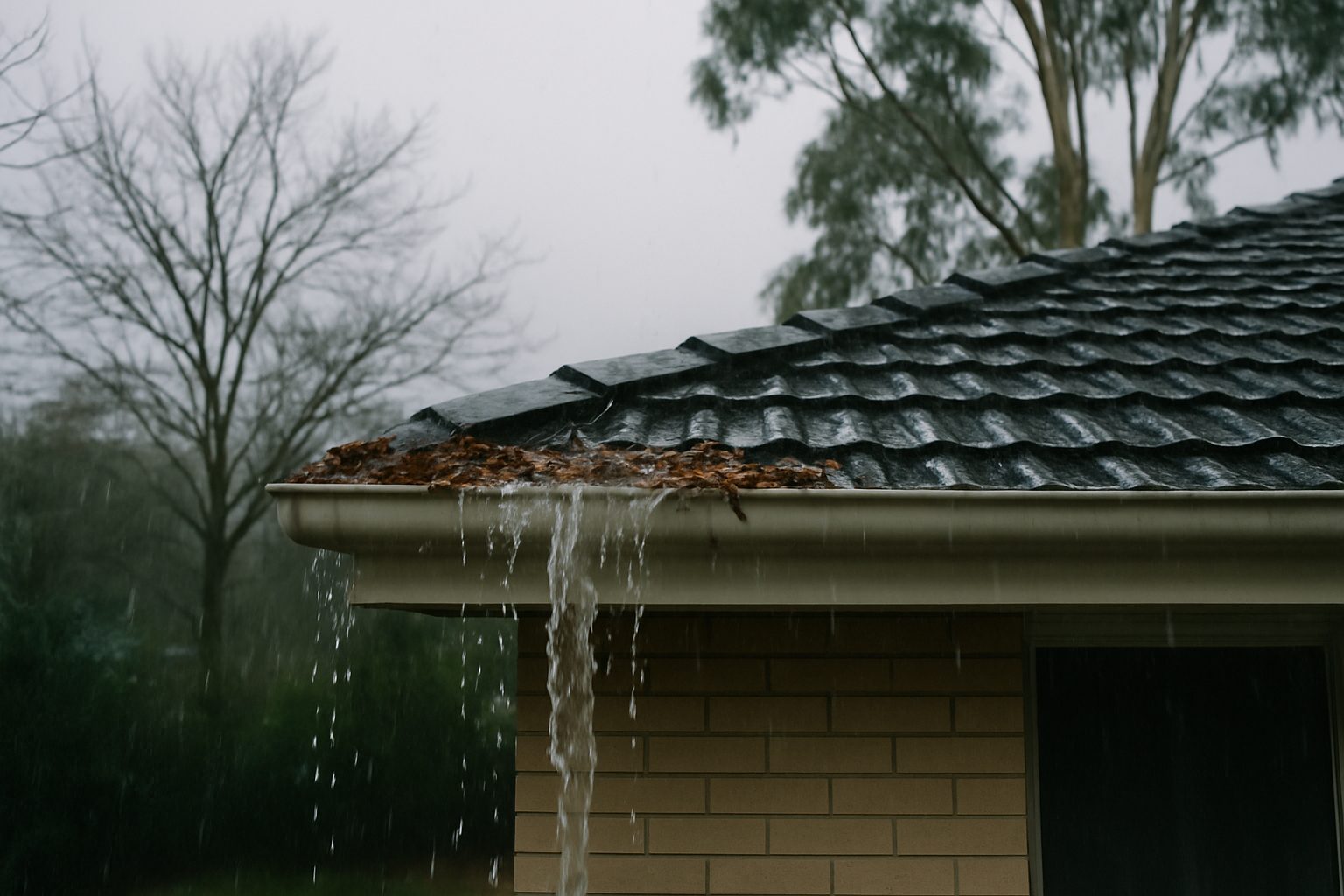
Check gutters and downpipes on three buildings in one day
If ground is open and flat, an EWP is quick. Roll up, raise, look, move on.
Indicative: $600–$1,200 per day for the machine with an operator, plus permits and a spotter if needed.
If access is via tight St Kilda East side streets, rear lanes, or there are overhanging power lines at three storeys, ropes are usually simpler. We drop from each roof, inspect, clear minor blockages, and pack down. Scaffolding is the wrong tool for this: too slow and too expensive for inspection-only work.
What drives cost more than the method
- Roof anchors. If anchors are missing or out of date, ropes need temporary rigging or an engineer’s sign-off. That adds time.
- Ground bearing. A boom needs a stable, rated surface. Bluestone lanes and underground carparks often rule it out.
- Permits. Footpath or lane occupation for scaffolds or EWPs can need council approval and traffic control. Ropes usually avoid this.
- Weather. Cold fronts and hot northerlies stop rope work and external painting. Scaffolded work can continue in light rain under sheeting.
- Building age. Old render, loose parapets and hidden fixings can turn a seal swap into a repair.
Anchor points, balustrades and roof access
Rope work needs a rated anchor above the task. Many Melbourne apartment roofs have permanent anchors or solid plant-room steel. Where they don’t, we may rig from a structural beam or protect ropes over a parapet. On old, timber-framed or tiled roofs, we bring in an engineer before any load goes on.
EWPs skip anchor issues but bring weight and reach limits. Truck booms can mark soft gardens, settle into bluestone, or overstress slabs above carparks. Outriggers need clear space. In narrow rear lanes, there often isn’t enough room to set safely.
Scaffolds need ground bearing and room for steel and boards. A small footpath with a tram line out front means more permit work and staging time.
Safety, weather and compliance
Rope access in Victoria sits under WorkSafe Victoria and AS/NZS 1891 for fall-arrest gear and anchorages. We use IRATA-certified technicians: two-rope systems, daily gear checks and supervised work. Rescue plans are part of the setup, not an afterthought.
EWPs have their own controls: outrigger spreads, wind and slope limits, and ground assessments. Scaffolds must be erected and altered by licensed scaffolders. The safest option is the one that matches the task. Don’t force ropes onto a heavy lifting job, and don’t pay for a scaffold when two techs can finish in an afternoon.
Melbourne changes fast. A calm morning near the Bay can turn into a hard southerly by lunch. On ropes we watch wind more than drizzle; gusts push you off the line on corners and above plant rooms. Scaffolds have wind limits during build and strip as well.
How to get a comparable quote
- Ask for total cost, not a day rate.
- Confirm who supplies anchors, permits and swing-zone control.
- Check if materials and disposal are included.
- Ask what weather stops work and who pays for down days.
The practical shortlist
Rule of thumb:
- One day, small repair, nothing heavy: rope access.
- Full facade, weeks of work, multiple trades: scaffolding.
- Clear ground, mid-rise, lots of short stops: EWP.
For strata, plan access per task. Use ropes for inspections and gutter checks. Bring scaffold for the ten-year repaint. One method for everything rarely delivers the lowest total cost.
We can advise on anchor points, swing paths and WorkSafe paperwork for high-rise access and building maintenance. The right answer is the one that fits your building and your job.
Frequently asked questions
Is rope access cheaper than scaffolding for a small facade repair?
Often. A half-day rope job is typically $700–$1,400. Scaffolding for the same patch usually starts around $2,500–$5,000 due to setup and permits. If anchors are missing or materials are heavy, the gap closes.
Can rope access be used on any Melbourne building?
No. You need rated anchors or a safe way to install temporary anchors, clear swing zones, and compliance with WorkSafe Victoria and AS/NZS 1891. Weak parapets, old roofs or nearby tram/power lines can rule ropes out; then an EWP or scaffold may be safer.
How much does rope access cost compared with an EWP?
They overlap. Small rope jobs often land at $700–$1,400. A truck EWP with an operator is commonly $600–$1,500 per day plus permits and a spotter if needed. EWP costs rise with poor ground or parking; rope costs rise if anchors are missing or exposure is high.
Do i need owners corporation approval to hire rope access contractors?
Yes for strata buildings. The owners corporation or building manager approves work on common property. Council permits may be needed if a boom or scaffold occupies a footpath. Rope access often avoids footpath closures, but roof access and swing zones still need sign-off.