A milky skylight is nearly always a dirty skylight rather than a failed one. So the first question is which side the dirt is on. Clean the inside, and if the grey film is still there, it is on the outside - and the outside is where the decisions get harder.
The inside, without scratching it
Most skylights installed in Australian homes in the last few decades are polycarbonate or acrylic, not glass. Both scratch easily, and scratches cloud the sheet permanently. That rules out a few things straight away: no ammonia, no methylated spirits, no cream cleansers, no dry wiping, and no blade on the bird droppings.
What does work is dull and effective. Drop sheet down. Two buckets - one with warm water and a few drops of dishwashing liquid, one with clean water. Three soft microfibre cloths: wash, rinse, dry.
- Wash in straight lines rather than circles, so any marks you leave follow the sheet.
- Rinse before the soap dries.
- Dry immediately - Melbourne tap water spots badly on a warm day, and on polycarbonate those spots are minerals sitting on a soft surface.
Glass skylights are more forgiving and take a 50/50 white vinegar and water mix. Dried-on droppings come off with a wet cloth left on them for a few minutes, not with pressure.
If the skylight is over a kitchen, expect a sticky film that dusting will never shift. That is cooking residue, and it needs warm soapy water.
One limit worth stating plainly: a step ladder on a flat floor with someone holding it is a household job. Leaning off a ladder over a stairwell, or working under a cathedral ceiling, is not. That is where people fall inside their own homes.
While you are up there, look at the frame
Dark streaks down the inside of the frame, water marks in the plaster, or dead insects trapped between two layers usually mean a failed seal or blocked weep holes - not a dirty skylight. Photograph it rather than attacking it with a tube of silicone; sealant smeared over a dirty frame buys a few months at most.
Fine grey or brown dust on the ceiling around the opening is a different signal. That is often insulation fibre drifting in from the roof space through gaps around the liner, and it points to the flashing rather than the glazing.
When to stay off the roof entirely
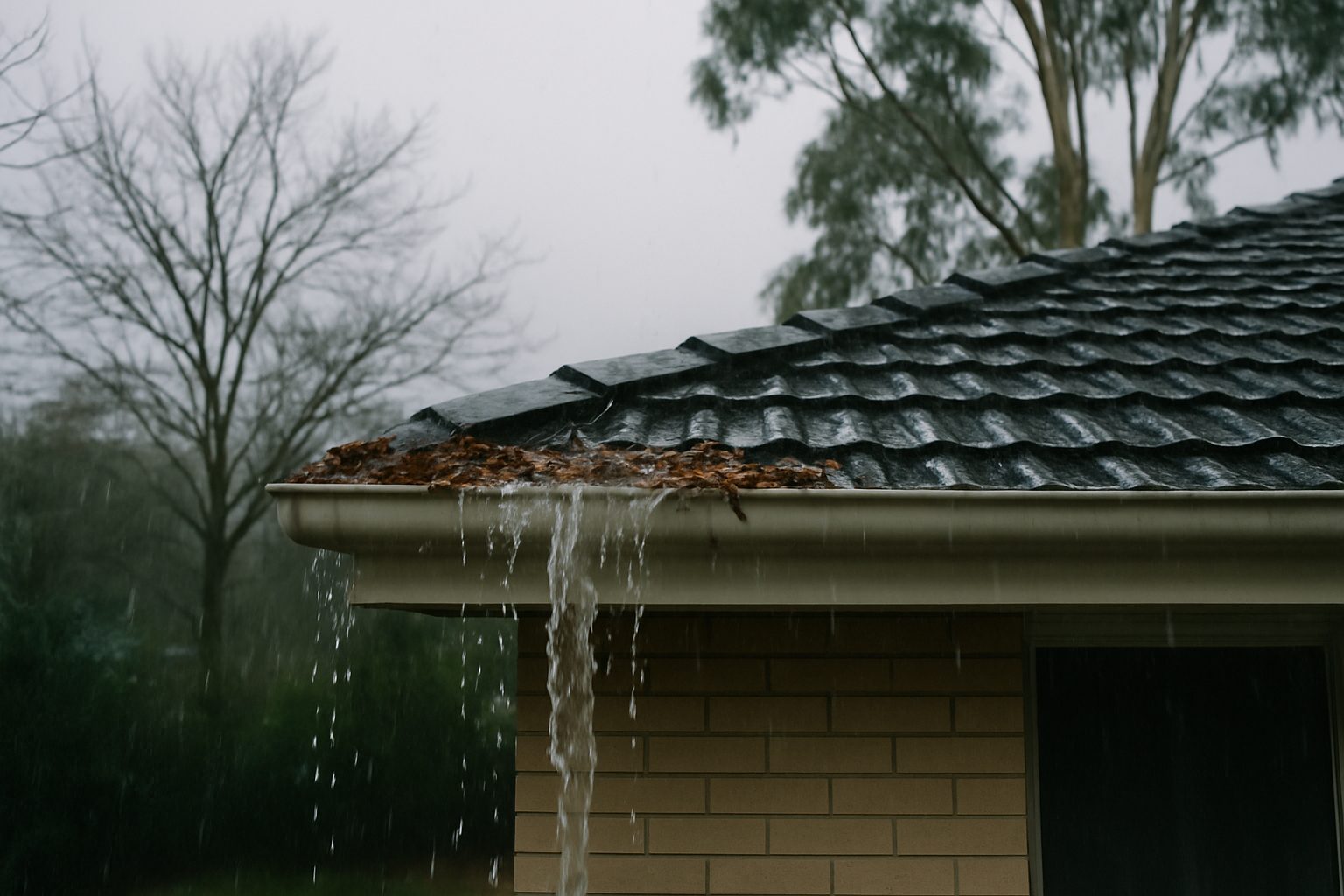
Tiles and corrugated metal hold dew well into a Melbourne morning, and a wet roof gives no warning before it lets go. That alone stops most DIY skylight work.
Then there is the sheet itself. Polycarbonate that has taken twenty summers of UV goes brittle, and a brittle skylight will not hold an adult. It looks identical to a new one from below. A skylight is not a walking surface at any age, and older ones are not even a leaning surface.
Seals are the third reason. On a house from the nineties, the silicone or rubber around the skylight is near the end of its life. Scrubbing hard around that joint - or worse, hitting it with a pressure washer - can break the seal, and you will find out during the next serious downpour rather than on the day.
If the building is a workplace, a rental block or commercial premises, this stops being a matter of judgement. Work on a roof with a fall risk falls under Victorian OHS law and AS/NZS 1891, which means anchored lines and harnesses rather than a ladder and good intentions.
Why the light drops by a third
Skylights commonly lose 30 to 40 per cent of their light transmission over several years, and it is rarely simple dust. Pollen from plane trees, grasses and wattle sticks to overnight condensation and dries onto the surface. Near the bay, salt spray adds a thin white haze. Add exhaust film in the inner suburbs and rain streaks over the top, and the sheet accumulates a crust that softens daylight into something flat and grey.
Cleaning the inside recovers a little of that. It cannot touch the layer outside.
What a rope access clean looks like
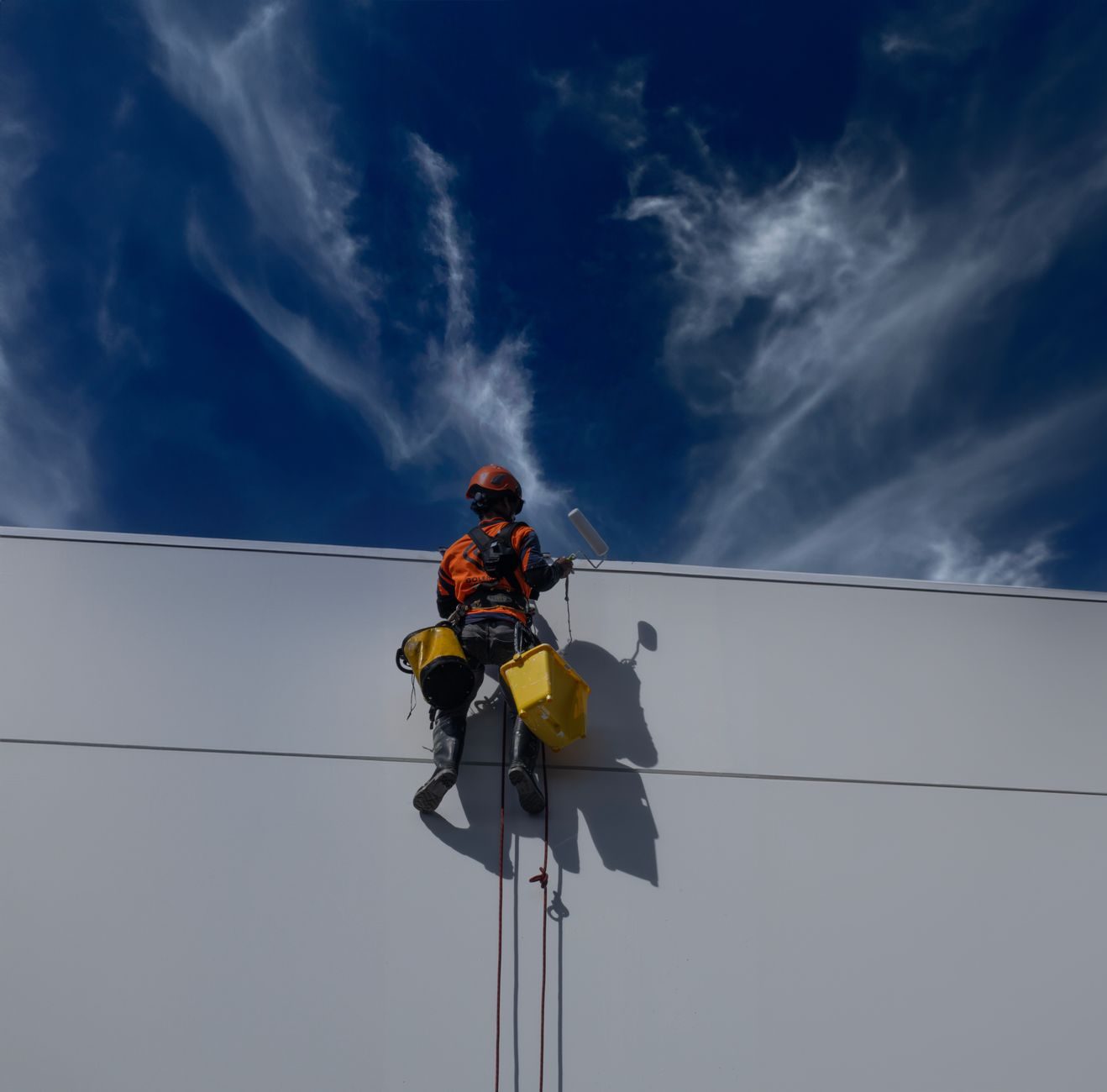
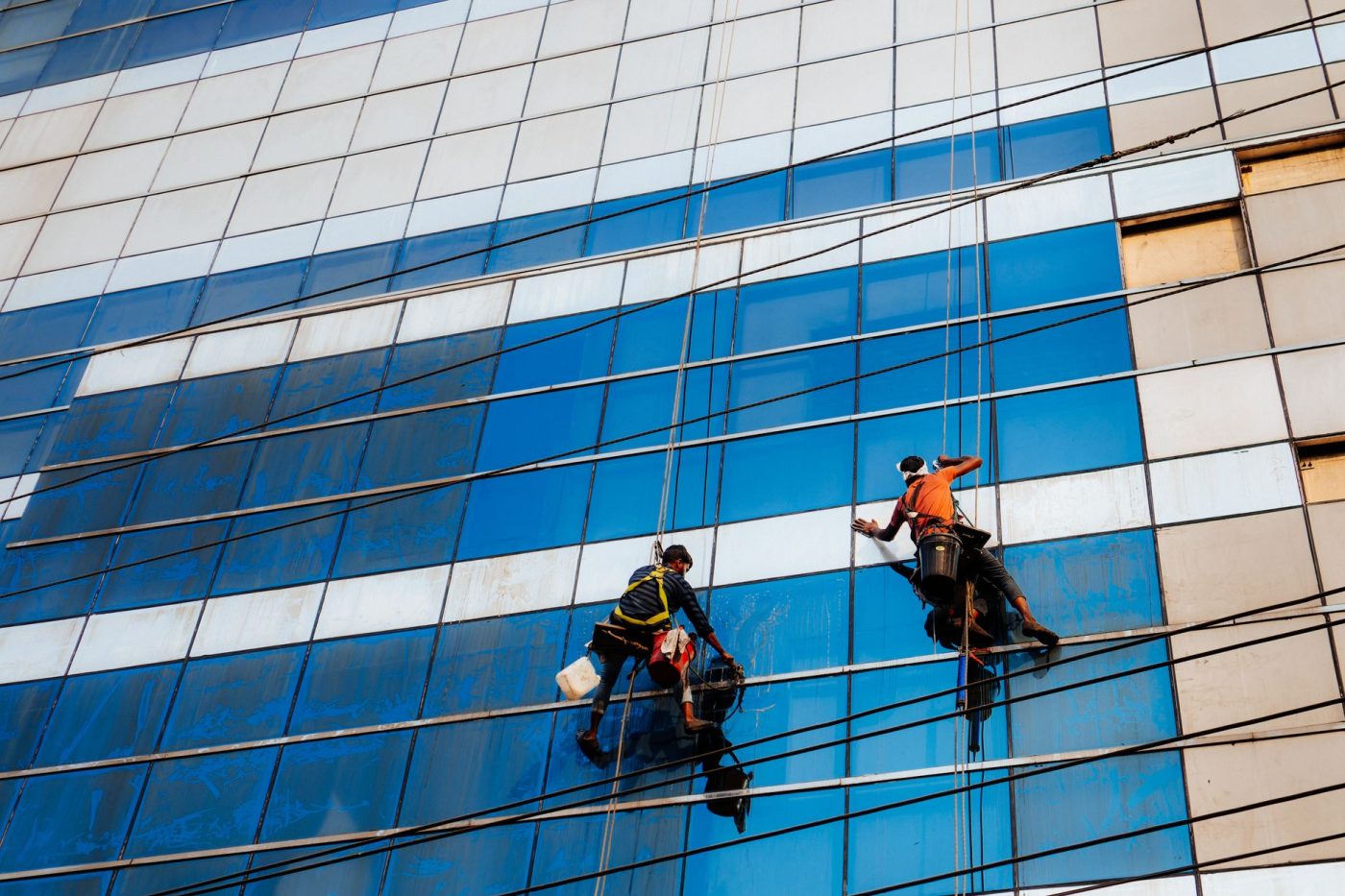
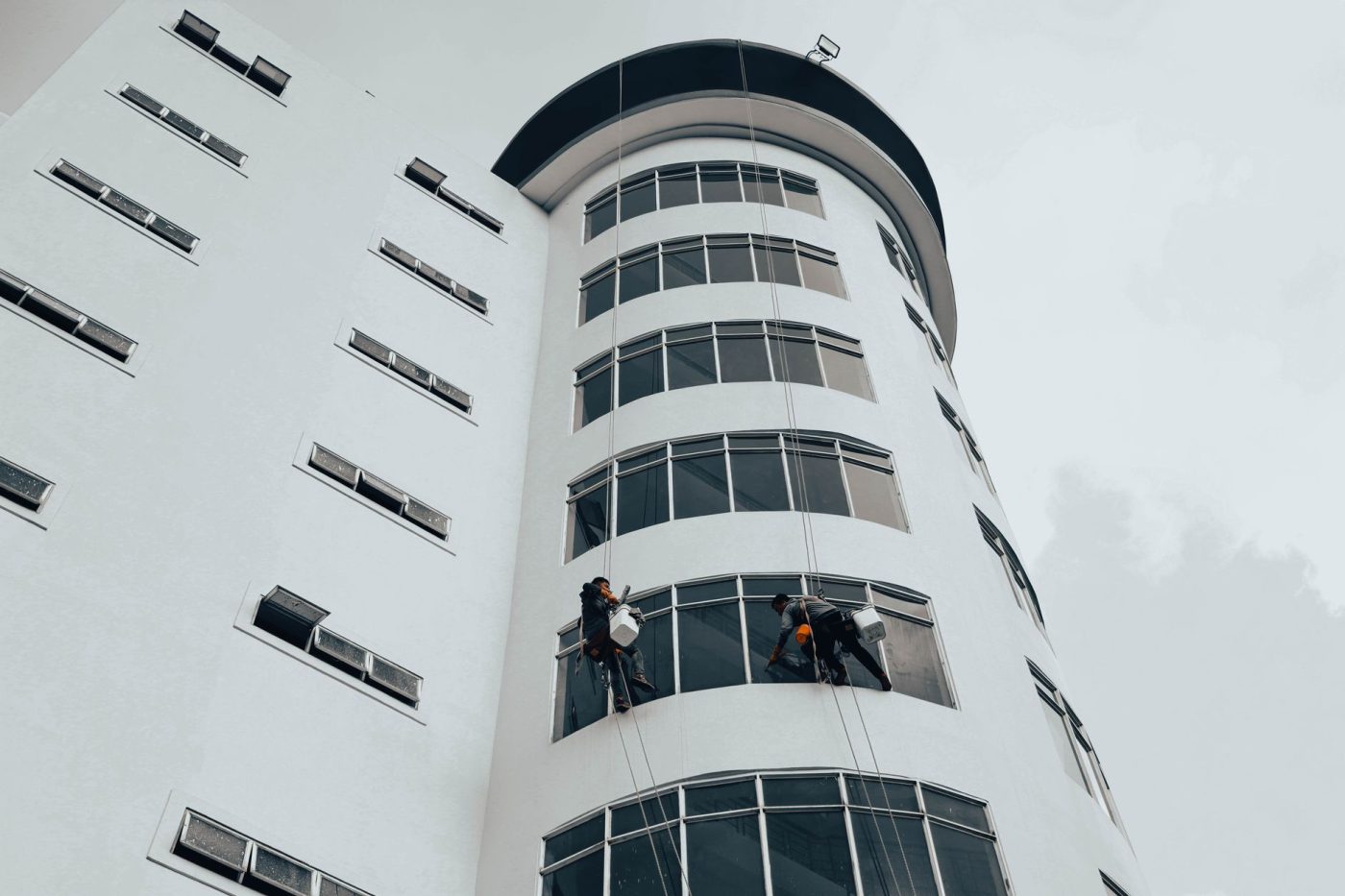
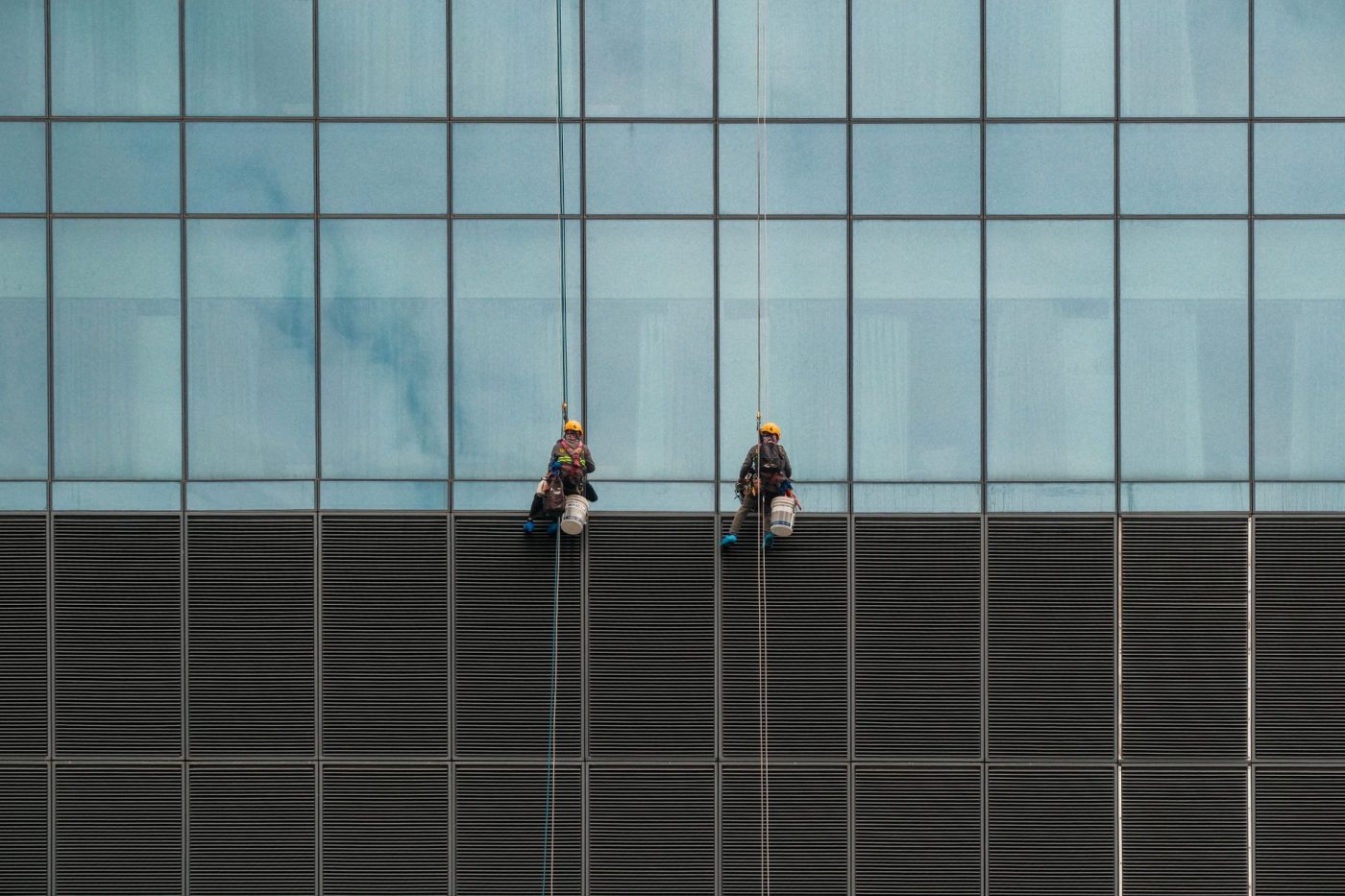
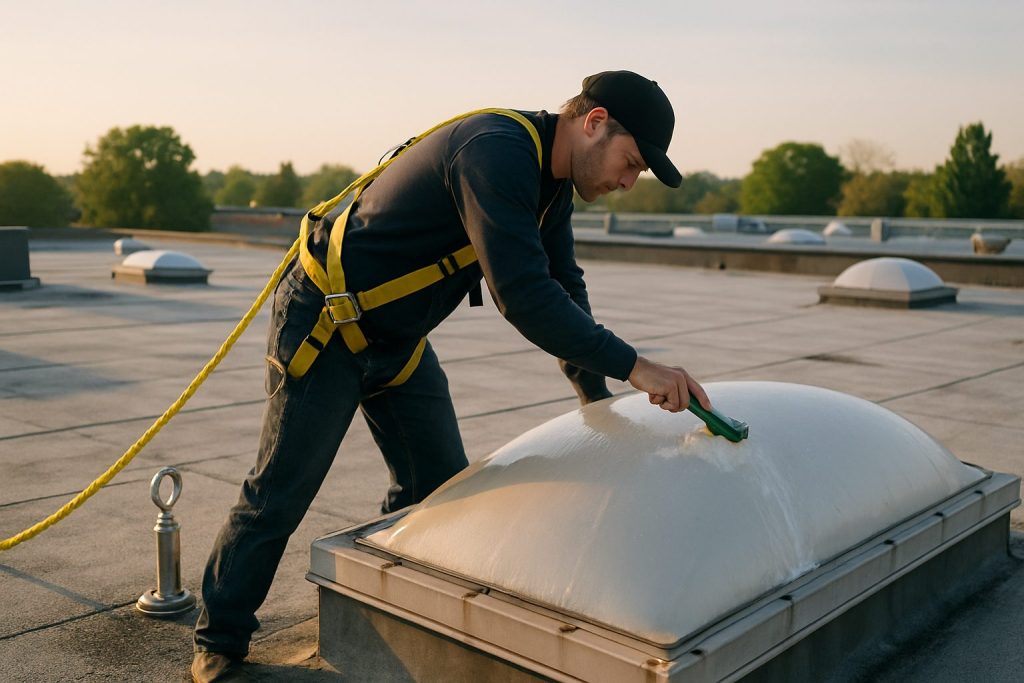
Lines are rigged to the roof structure - never over the skylight. The technician works suspended above or beside the sheet, so nothing is ever loaded. The glazing is washed with soft brushes and mild detergent, rinsed with low pressure, and the frame and surrounding tiles are cleared of leaf litter and moss by hand.
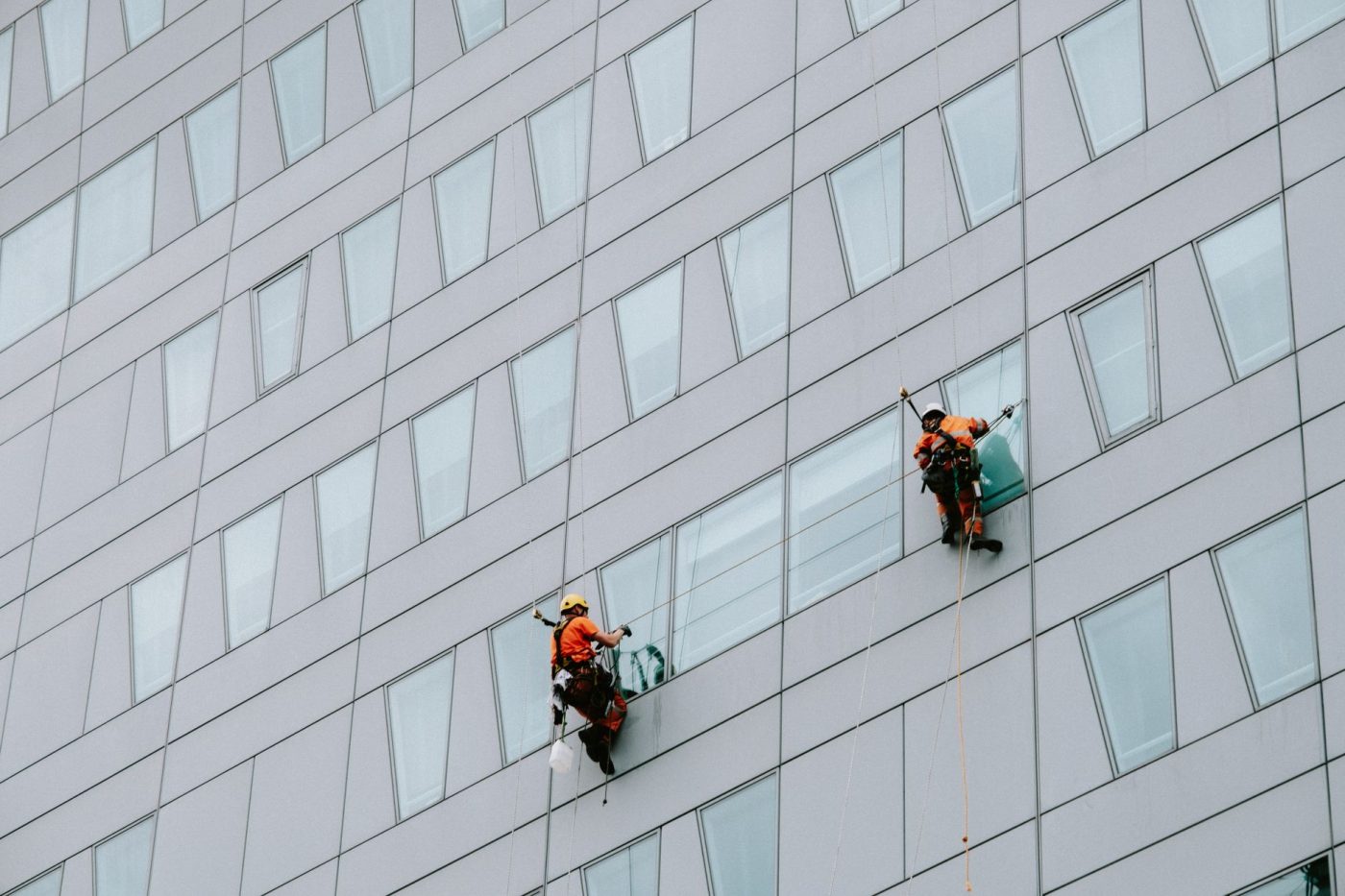
On brittle polycarbonate the pressure comes down further. There is no pressure washer, no scrubbing pad, and no boots on the sheet at any point. Where lichen has taken hold on the surrounding roof, roof cleaning usually gets booked for the same visit, since the access is already set up. On multi-storey buildings the same rigging covers high-rise window cleaning at the same time.
| Job | Indicative range (AUD) |
|---|---|
| Single skylight, straightforward roof access | $180 - $320 |
| Multiple skylights or difficult access | $350 - $650 |
| Skylights combined with gutter and roof wash | $400 - $800 |
Indicative only. Roof pitch, height, sheet condition and how the roof is reached move the number more than the number of skylights does.
If you want a price without a site visit, send four photos: two from inside showing the frame and the sealant line, two from outside if there is a window or balcony that overlooks the roof. That is usually enough to tell you whether it is a clean or whether the skylight needs a roofer first.
Frequently asked questions
What should i never use on a polycarbonate skylight?
Ammonia-based glass cleaner, methylated spirits, abrasive cream cleansers, scouring pads and blades. All of them cloud or scratch the surface permanently. Dry wiping does the same thing more slowly, by dragging grit across soft plastic. Warm water and a little dishwashing liquid is the correct answer.
Can i walk on the roof to reach my skylight?
Not on the skylight itself - it is not a walking surface, and older polycarbonate goes brittle with UV exposure without looking any different from below. Tiles and metal roofing also hold dew well into the morning. For any workplace or rental property, anchored fall protection is a legal requirement.
How much does skylight cleaning cost in Melbourne?
Roughly $180 to $320 for a single skylight with straightforward access, and $350 to $650 where there are several or the roof is awkward. Combining it with a gutter and roof wash typically lands between $400 and $800. These are indicative - pitch, height and condition set the actual quote.
Why is my skylight still dull after i cleaned it inside?
Because the film that costs you the light is on the outside. Pollen bonded to condensation, salt haze near the bay and exhaust film build a crust that no amount of interior cleaning reaches. If the inside is clean and the room is still grey, the outside surface is the job.