What AS/NZS 1891.4 says about anchor points testing in Victoria
AS/NZS 1891.4 sets the check cycle: every anchor used for fall arrest or rope access must be inspected and, where required, proof tested at least every 12 months by a competent person. That includes roof anchors, abseil davits, static lines and eyebolts. If corrosion or chemical exposure is likely, the interval is shorter.
WorkSafe Victoria uses this standard as the yardstick. A building owner or strata manager doesn’t need to be a rigger, but they do need to know which points were tested, when, and the result. If there’s no tag, certificate or register entry within the last year, the point isn’t compliant and shouldn’t be used.
Why the 12-month rule matters
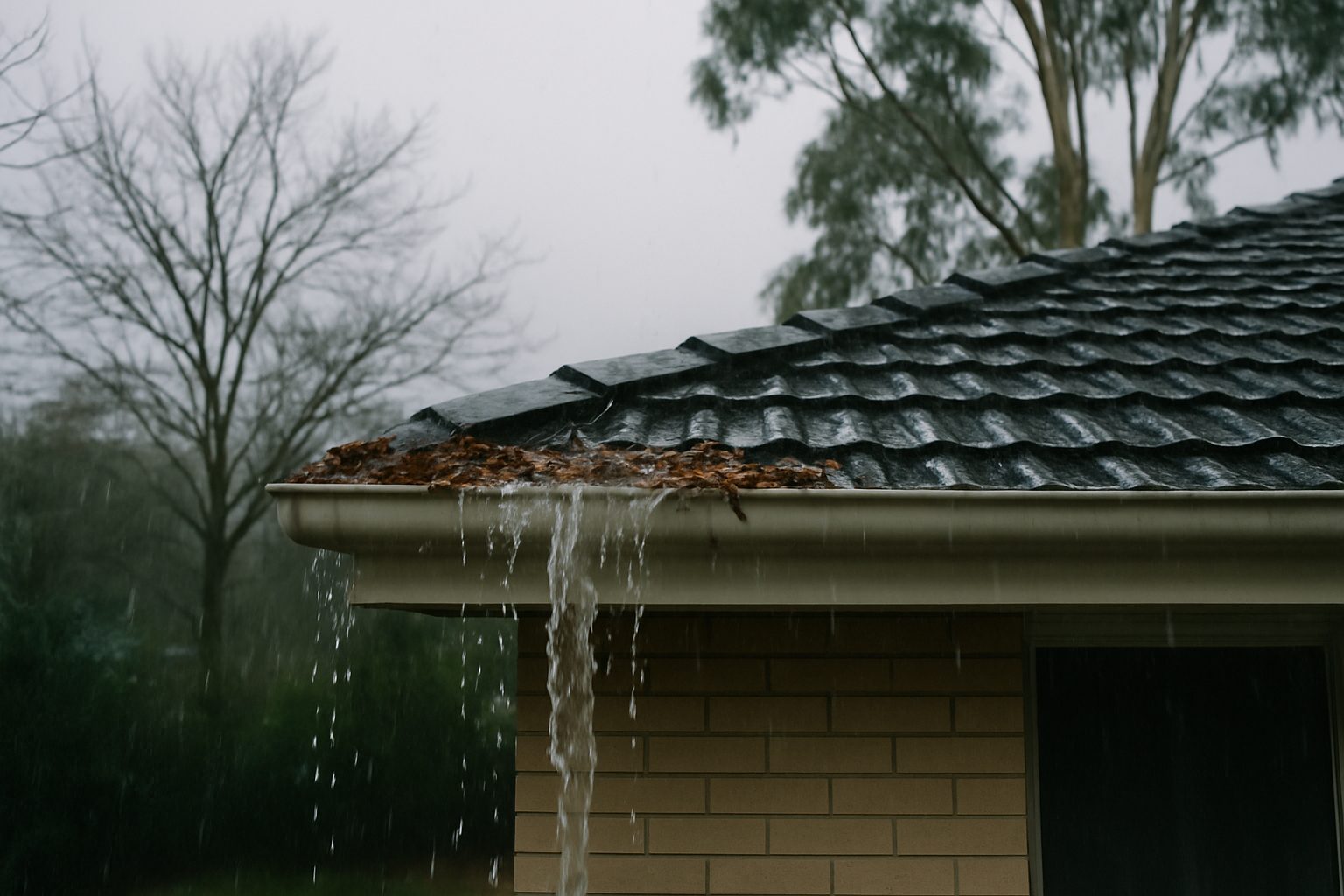
Melbourne roofs change in a year. Bayside salt air pits galvanised steel. Tiled roofs hold moisture around base plates. Factories throw dust and residues onto fixings. UV, heat and foot traffic crack membranes around bolts. Any of these can lift, corrode or loosen an anchor.
We regularly find spun bolts, cracked tiles under bases, or seals lifted by thermal movement. One missed test can turn into a shutdown on the day you need to clean windows or start a facade repair.
Who can perform an anchor point test in Victoria
Under AS/NZS 1891.4 a “competent person” is someone with training and experience to assess the anchor, its fixing, the substrate and the load path, and to follow a written procedure. On most Melbourne sites that’s an IRATA-qualified rope access technician who works on height safety systems, knows the difference between fall-arrest anchors and lifting points, and records results properly.
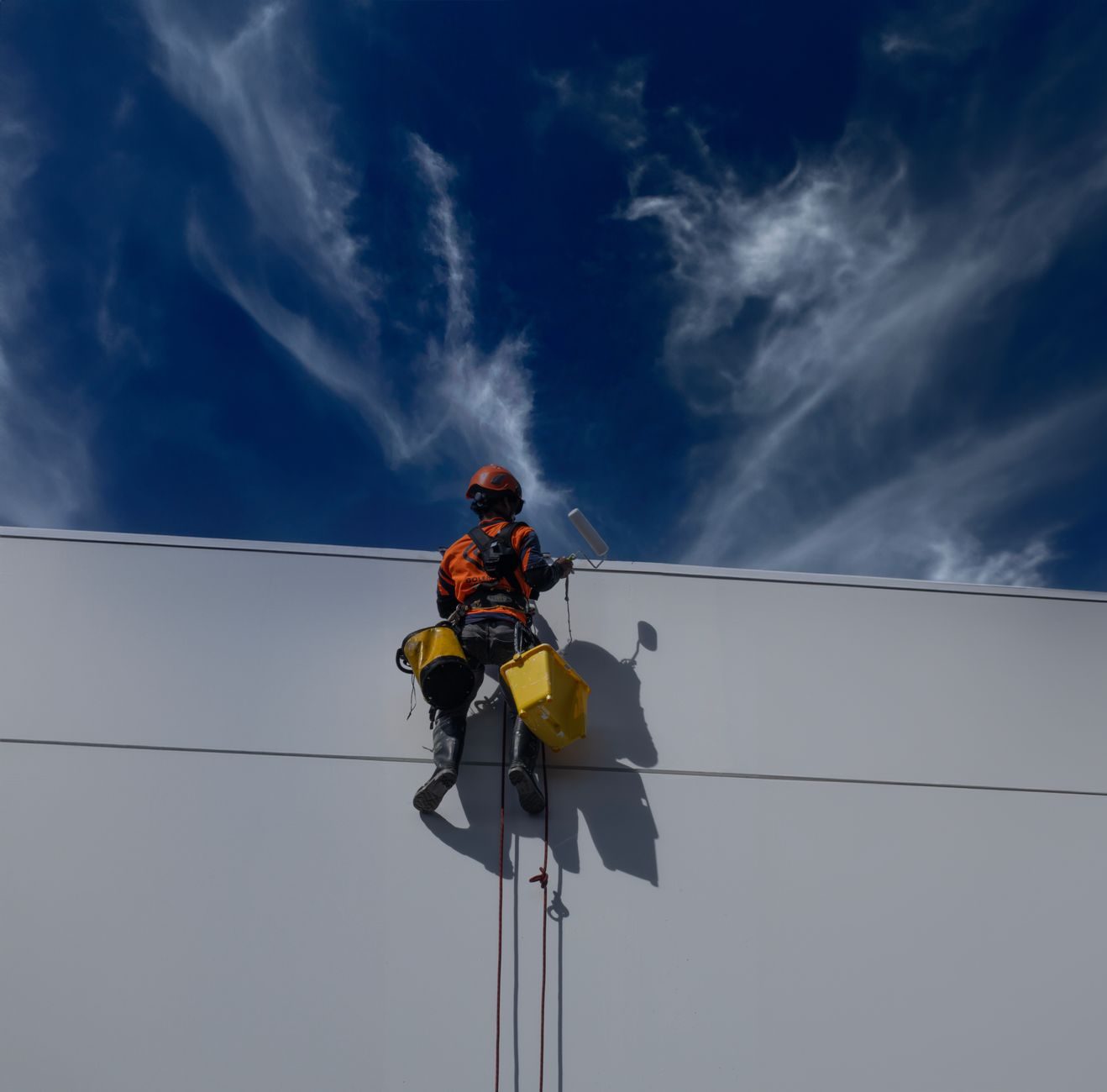
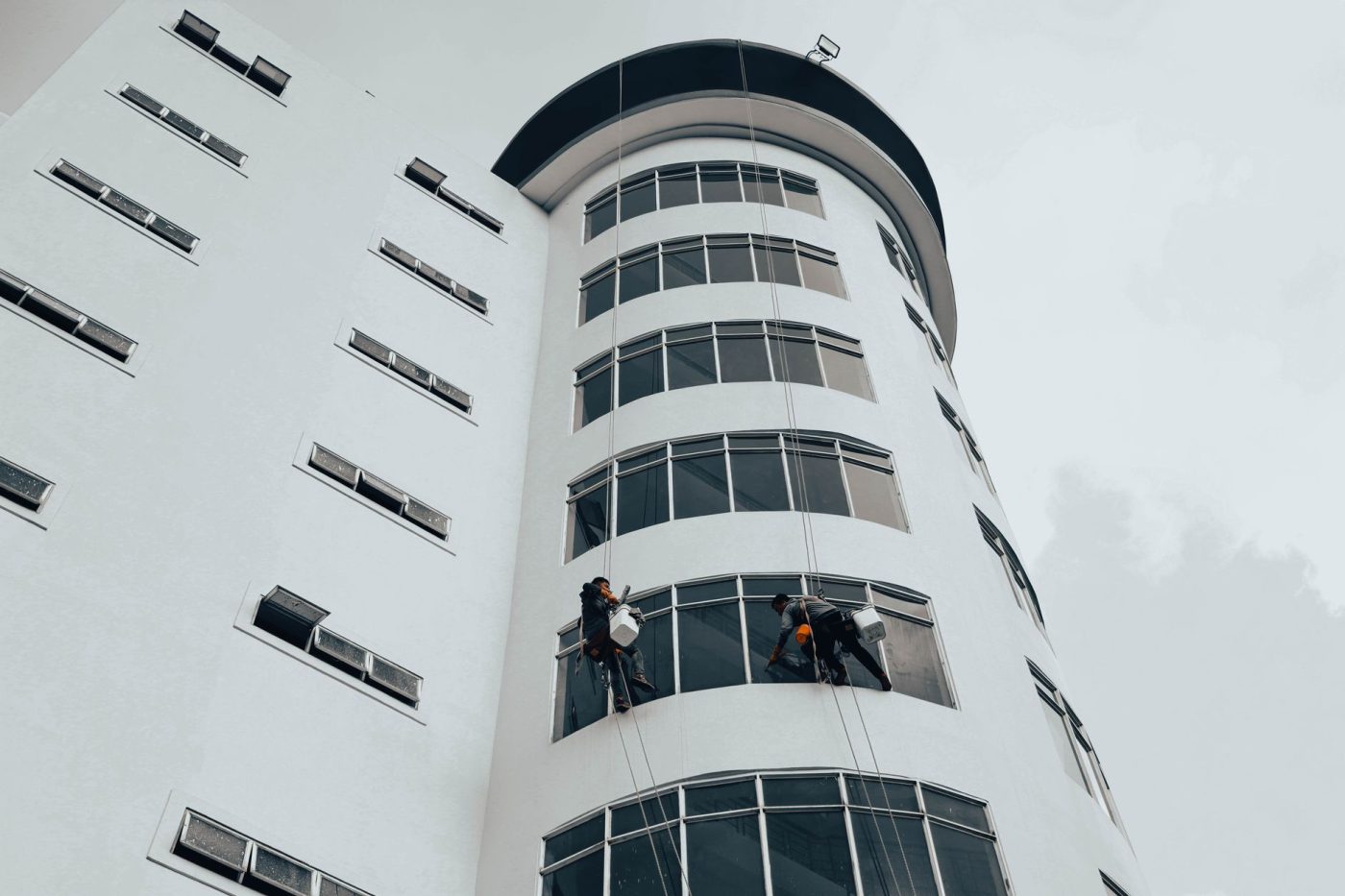
Rope access keeps disruption down. No scaffold. Often no boom lift. From our base at 120 Hotham Street, St Kilda East VIC 3183, we reach chimneys, parapets, roofs and facades without closing streets or lobbies.
Proof load testing: what actually happens on site
First we inspect. We check the tag, the last certificate, the anchor plate, fixings, and the roof around it. We look for corrosion, cracks, loose fasteners, sealant failures and any sign the point has shifted.
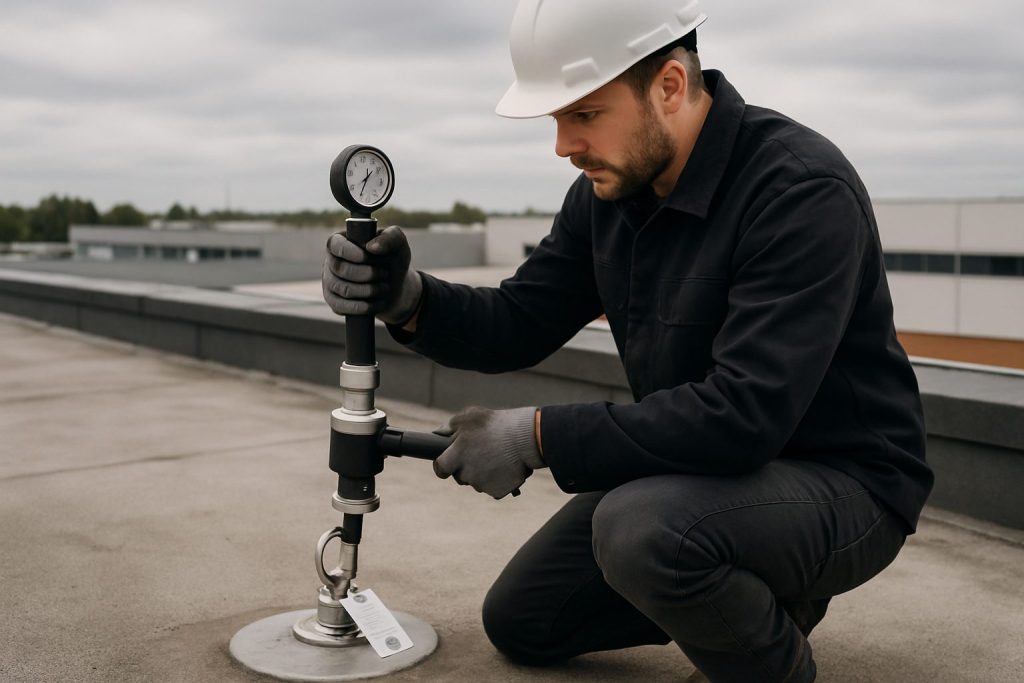
For a proof test we apply a controlled tensile load in the direction the point is meant to take. The load and direction come from the manufacturer and AS/NZS 1891.4. We hold the load for the specified time and watch the anchor, fixings and substrate for movement, cracking, deformation or loosening. We don’t pull to destruction. If the point holds the set load without damage, it passes.
If it moves, the bolt turns, the substrate cracks or the plate deforms, it fails and is tagged out until repaired or replaced. We record the load, hold time, date, anchor ID and the result in the register and report.
Which anchors need a proof test
Some anchors only get a visual check each year. Others require a proof test at service. The decision depends on the anchor type and rating, age, substrate, and how it’s used. If there are no records of what the anchor is fixed into, we treat the first visit as a baseline check and proof test the points that need it.
Examples: chemical anchors in brickwork often get proof tested. Stainless through-bolts into sound concrete with clear records may only need a visual. Davits and static line terminations are assessed against their documentation.
When a failed anchor needs replacement
Testing exposes bad installs and aged fixings. Rusted plates, anchors drilled into soft mortar, fixings through cracked tiles or through a failed membrane don’t get patched. They’re taken out of service. Replacement usually means new fixing hardware and base plate, or a new location on sound substrate. See anchor point installation for how we approach that.
Expect to retire some points over time. Roofs move, mortar ages, storms shake parapets. Finding a dud during testing is a win - no one was clipped to it.
Documents to keep after every anchor point test
Keep three things after each service:
- Anchor point register - ID, location, type, date tested, result and next due date for every point.
- Test certificate/report - load applied (if proof tested), duration, method, date and tester’s details.
- Tag or label - durable, on or near the point, showing the next inspection due.
These matter more than the invoice. They show you managed the risk as the standard expects. Keep old certificates - even for points that later fail - so you have a baseline. See anchor point certification for what belongs in a valid certificate.
Indicative pricing for Melbourne anchor points testing
Costs depend on access, roof pitch, number of points and whether we proof test. These figures are guides, not a quote. A site check sets the final price.
| Service | Indicative Melbourne range | What changes the price |
|---|---|---|
| Visual inspection and register setup | $180–$350 for up to 5 anchors | Roof pitch, height, access restrictions |
| Proof load test per anchor | $35–$60 | Anchor type, substrate, test direction |
| Combined test and certification for up to 10 anchors | $450–$900 | Site size, roof material, access method |
Rope access often cuts out boom lift or scaffold hire, but steep pitches, fragile tiles or awkward parapets can still add time. It’s cheapest to service all points in one visit. A minimum call-out applies on small jobs. A single easy roof anchor in St Kilda East can be quicker and cheaper than ten on a steep roof in Kew.
What happens if records are missing after an incident
WorkSafe looks for records, not intentions. After a serious fall they will ask for the anchor’s testing history. An expired tag or missing certificate becomes a problem for owners, facility managers and strata committees.
The 12-month inspection sits inside your duty to provide a safe workplace. If work went ahead on an untested system, the next questions are “why” and “who knew.” That affects insurance, prosecutions and civil claims.
Good records protect people and owners. A current register and certificate show you took reasonable steps. If a contractor later alleges a defect, your documents speak first.
When to get a height safety consultant to review the system
Testing a single point is one job; checking the whole system is another. Older buildings often have anchors installed across different years with mixed ratings and paperwork. Each point might pass on its own but the system can still be wrong for the tasks you do.
If the anchors are undocumented, if access patterns have changed, or if you’re adding tasks like plant maintenance to a window-cleaning setup, get a system review. Our height safety consultants can map the roof, match anchor types to actual work, and set a testing schedule that fits. The goal is to find gaps now, not on the morning a crew clips on.
Frequently asked questions
How often do anchor points need testing in Victoria?
At least every 12 months under AS/NZS 1891.4. Coastal or industrial sites may need shorter intervals. No tag or recent entry in the register means test before use.
What is a proof load test for anchor points?
A controlled pull in the correct direction, held for the specified time, while checking for movement, cracking or loosening. It shows the anchor takes the defined load without damage.
Who can test and certify roof anchor points in Melbourne?
A competent person under AS/NZS 1891.4-typically an IRATA rope access technician with height safety experience - working to a written procedure and issuing a register and certificate.
How much does anchor point testing cost in Melbourne?
Guide: $180–$350 for visual inspection and register setup (up to five anchors) and $35–$60 per anchor for proof tests. Combined testing for up to ten anchors is often $450–$900, subject to access.