Winter puts water into a facade. Summer takes it out - fast, and not gently. Between those two seasons is the window where defects are cheap to find and still cheap to fix, which is why spring is when facade problems should be looked at rather than noticed.
Eight things below are visible without leaving the ground. Each one has a meaning behind the surface and a rough sense of how long you can leave it.
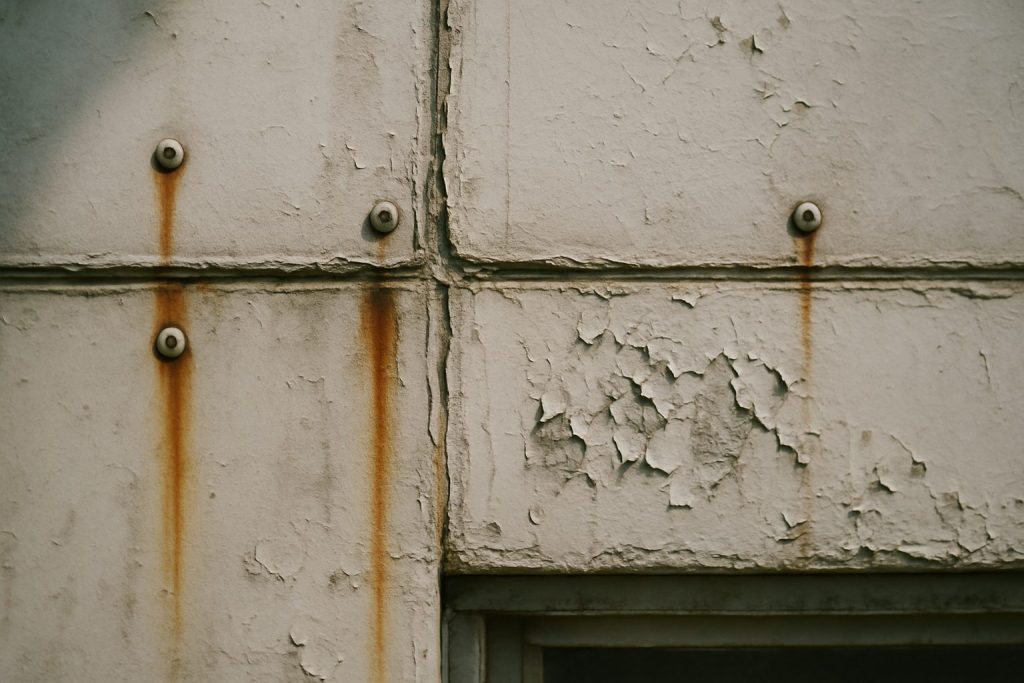
1. Rust streaks below fixings
Orange-brown runs under screws, brackets, awning fixings or weep holes. Water is reaching steel inside the wall, and corroding steel expands - roughly seven times its original volume - which is what eventually cracks the render around it. Near the bay, salt accelerates the whole process. Worth a close look within three to six months.
2. Paint blistering in bands rather than patches
Blisters that follow a straight line - along a joint, a flashing, a balcony edge - are not a paint failure. They mark where moisture is trapped behind the coating. Summer sun splits the blisters open and lets more water in, so this is a waterproofing problem wearing a repaint’s clothing. Weeks, not months.
3. Diagonal cracks from window corners
Stepped or diagonal cracking running out from the corner of an opening means movement is concentrating there. Melbourne’s reactive clay soils do a lot of this, and thermal cycling does the rest. Anything wider than about 2 mm, or visibly longer than it was six months ago, needs looking at soon.
4. White chalky deposits on brick or render
Efflorescence is salt left behind when water evaporates out of masonry - which means water has been moving through it. It is not urgent in itself, but the source matters: a blocked drain, a failed damp-proof course, a leaking pipe. Trace it before summer dries the wall out and hides the path.
5. Sealant pulling away from joints and frames
Where caulk has cracked, shrunk or lifted from a window frame or expansion joint, the joint has stopped doing its job. A gap that looks trivial in still air becomes an entry point the moment a summer storm drives rain sideways at it. Replace before storm season, not after.
6. Panels that move, rattle or sound hollow
Cladding that shifts in the wind, or sounds hollow when tapped, suggests broken clips or corroded fixings. Above an entry or a footpath this is a falling-object risk, and Victorian OHS duties expect building owners to control it rather than document it. Days.
7. Damp shadows that appear after rain
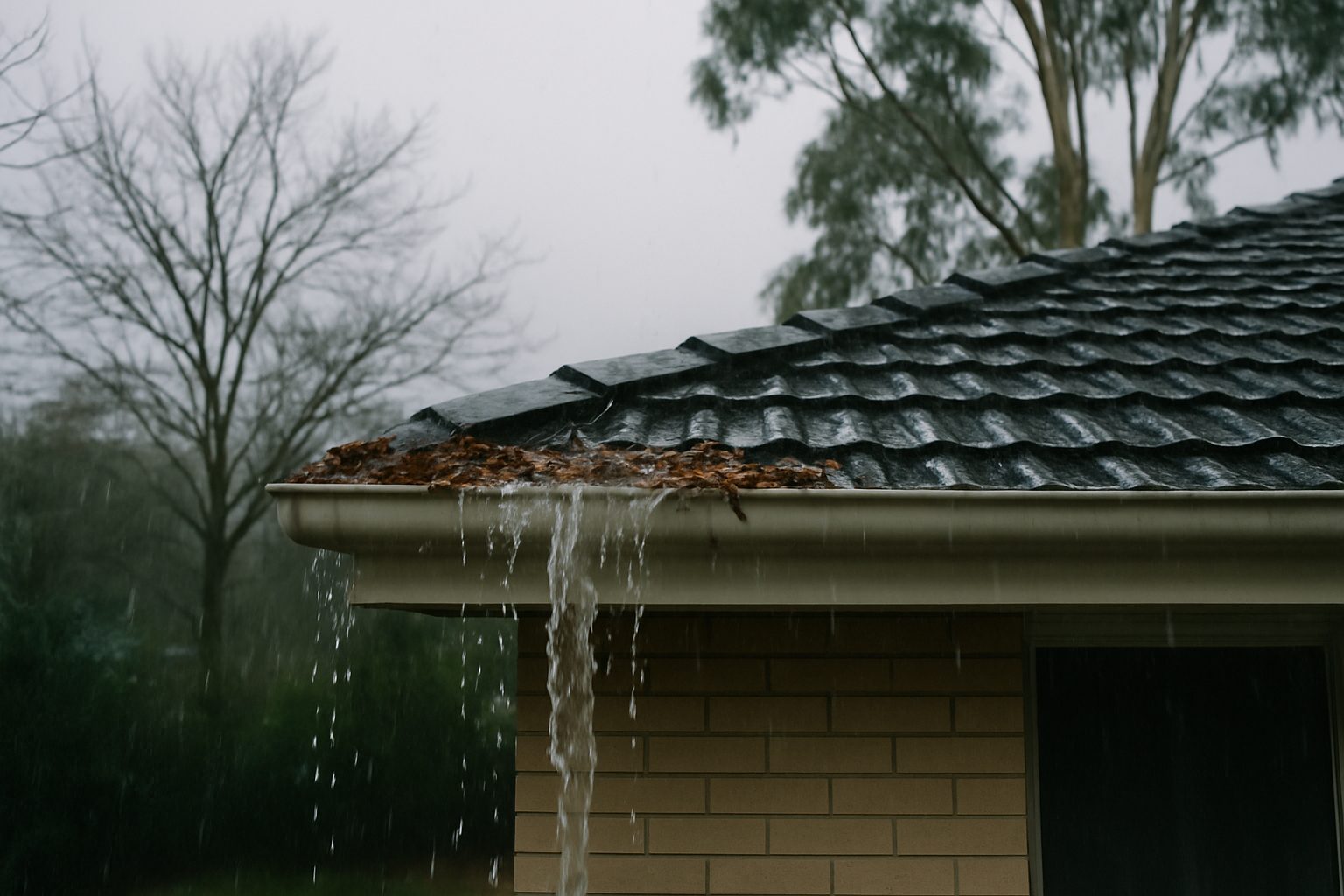
Dark patches on a wall or soffit that show up after rain and fade over the following days trace the path of water getting in - often a box gutter, a balcony membrane or a cracked parapet capping. Late winter and early spring are the best time to find them, while the wall is still wet enough to show the route.
8. Concrete or render chips on the ground
Fragments on the path below, a pitted surface overhead, or exposed aggregate where there was none, all point to reinforcement rusting inside the concrete and pushing the cover off. By the time material is landing on the ground, the process has been running for years. If it is above a walkway, treat it as immediate.
At a glance
| What you can see | What it usually means | How soon |
|---|---|---|
| Rust streaks under fixings | Steel corroding behind the surface | 3–6 months |
| Blisters in bands | Trapped moisture, failed waterproofing | Weeks |
| Diagonal cracks at openings | Structural movement at the lintel | Days if growing |
| White salt deposits | Water moving through masonry | By late spring |
| Sealant lifting | Open joint, wind-driven rain entry | Before storm season |
| Loose or hollow panels | Failed clips or fixings | Days |
| Damp shadows after rain | Leak above - gutter, membrane, capping | Weeks |
| Chips on the path below | Rusting reinforcement, spalling | Days if overhead |
Why summer is the deadline
Heat does not create these defects. It exposes them. Render expands, trapped moisture turns to vapour, and coatings that were merely tired in August are lifting by January. On bayside buildings from St Kilda through to Williamstown, salt-laden wind adds a second mechanism, drawing moisture into cracks that would otherwise dry out.
There is also a practical reason for booking early. By late January, repair crews are stretched and some sealants and coatings will not cure properly in the heat, which pushes the actual repair into autumn.
Binoculars will only take you so far
A pair of binoculars from the opposite footpath is genuinely useful - it tells you which elevation to worry about. What it cannot do is confirm how deep the water has gone, measure whether a crack is still moving, or establish whether a panel is holding on by two clips instead of six.
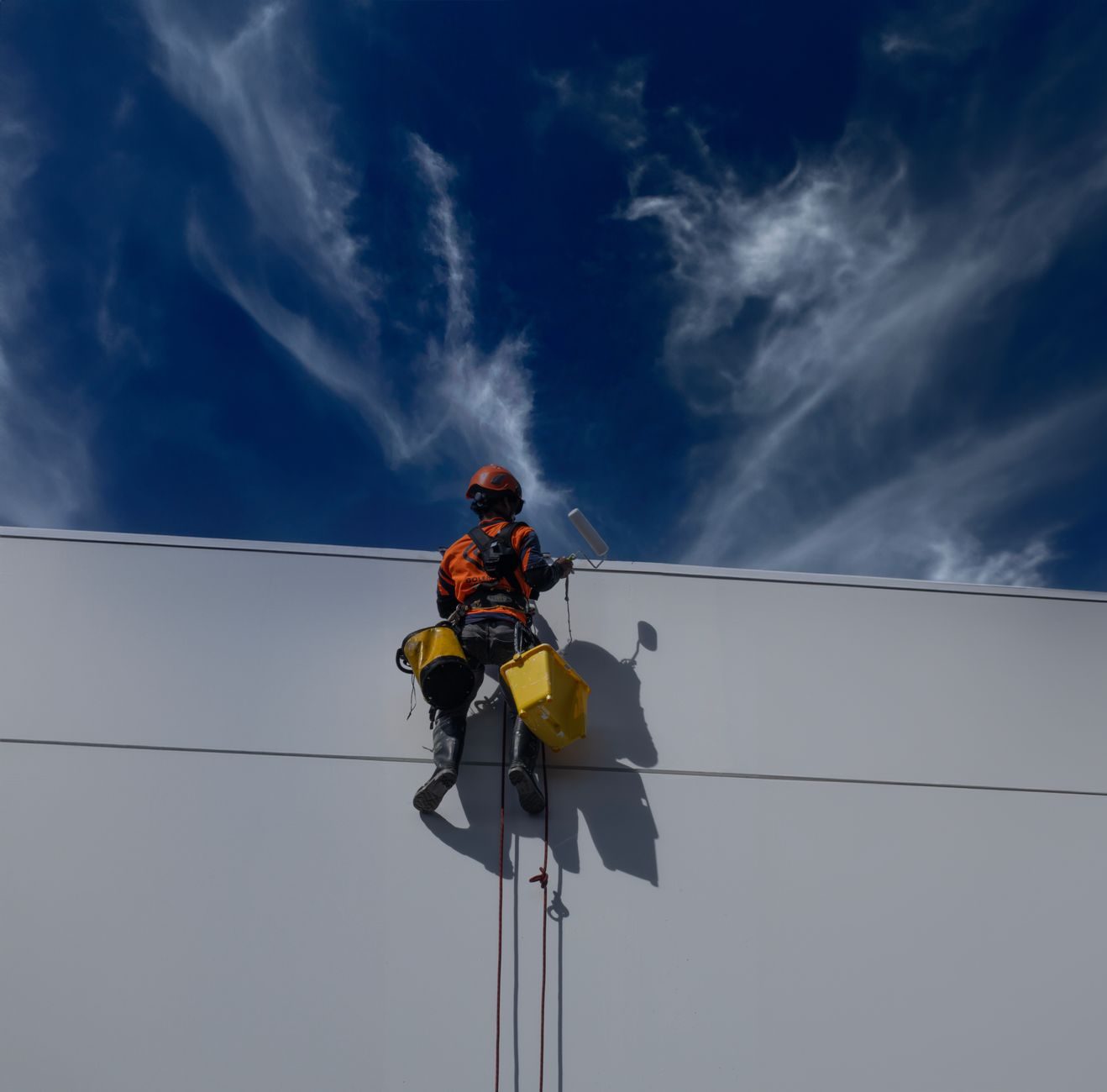
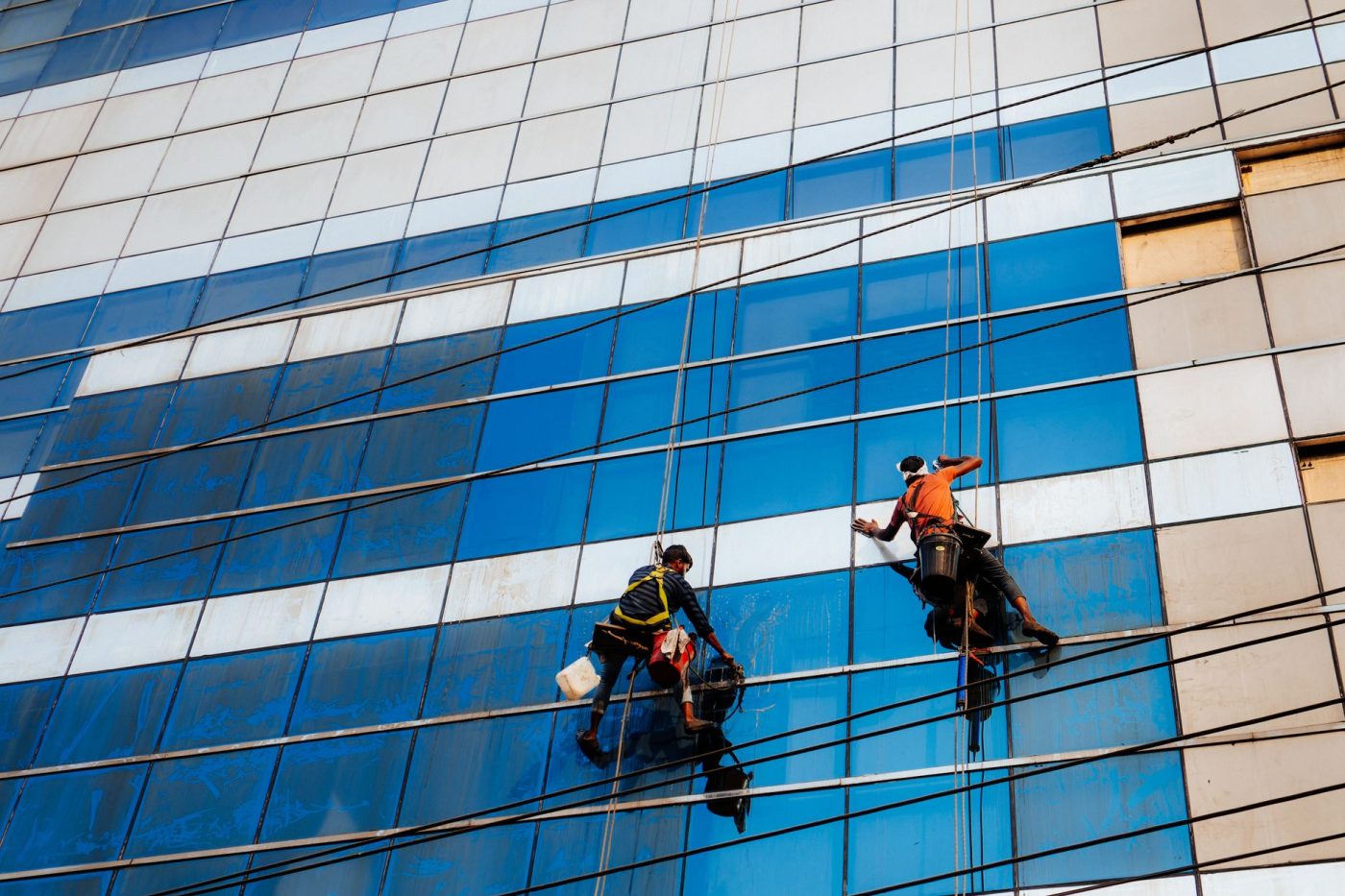
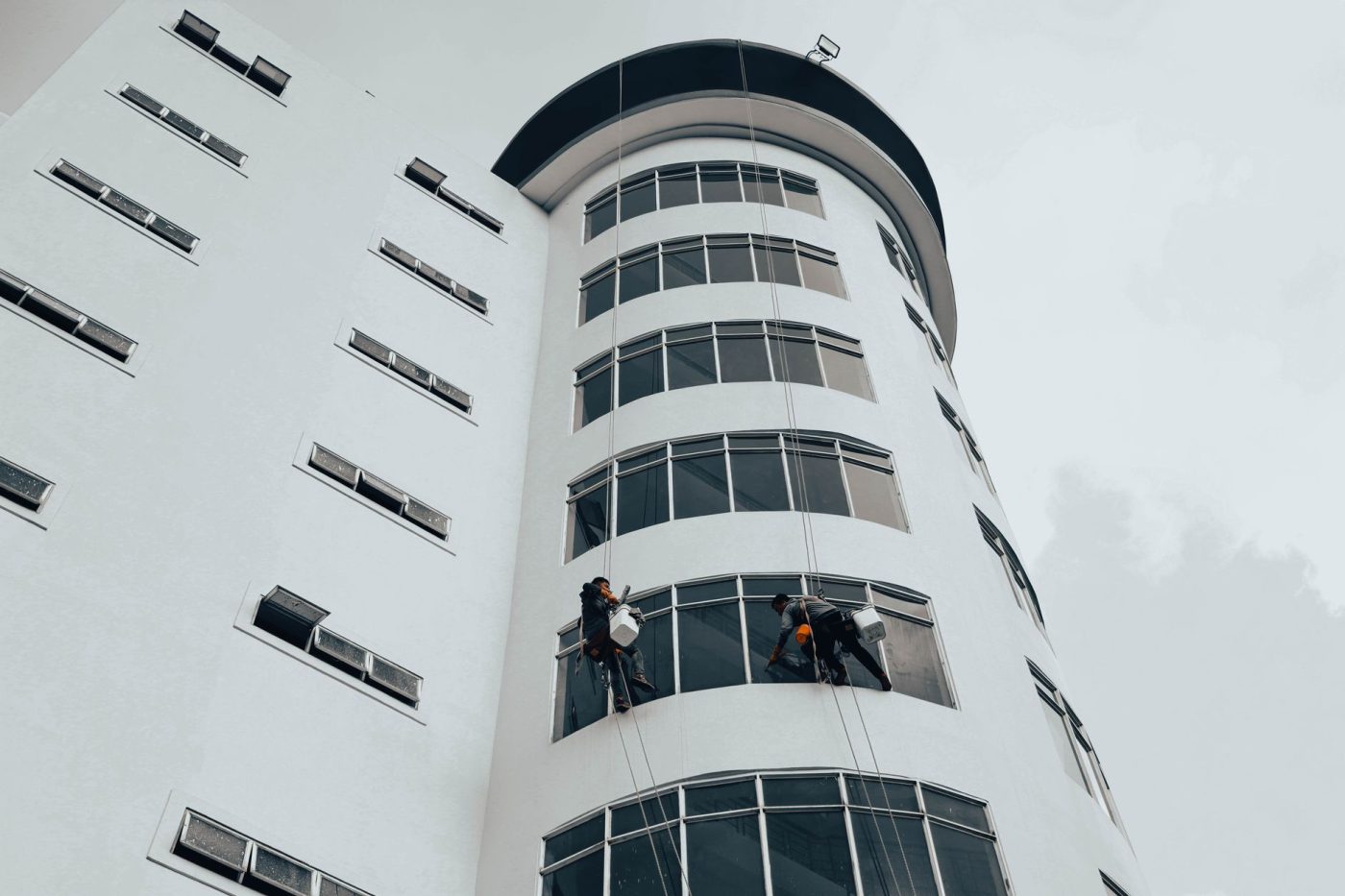
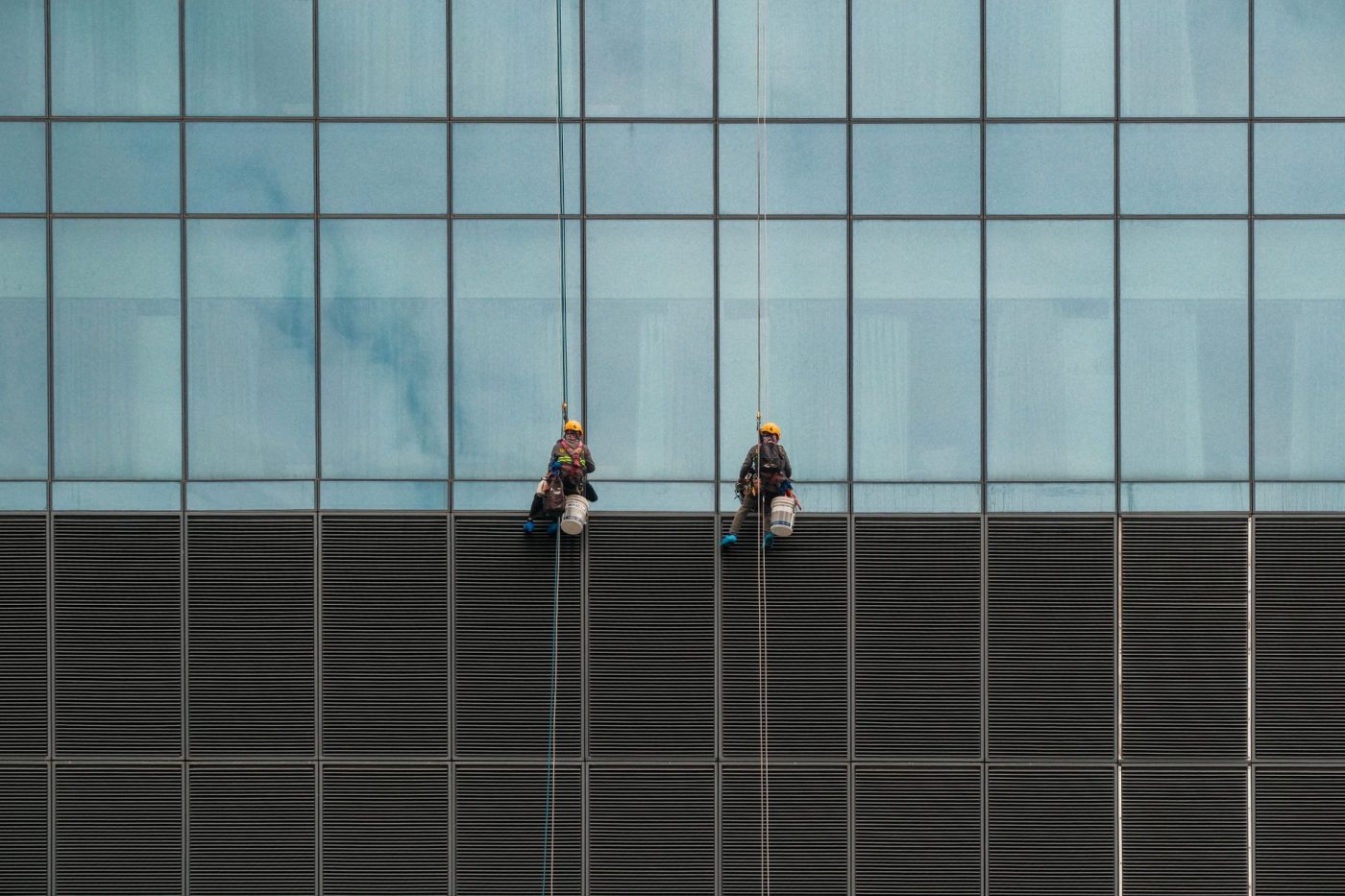
A close-up survey means someone within arm’s reach: tapping panels, photographing at the surface, checking whether sealant still bonds when you press it. Facade inspections from ropes reach upper levels without a scaffold, which matters on narrow inner-suburban sites where there is nowhere to stand one.
For a two-storey rendered building, a documented visual inspection typically runs between $550 and $1,200. Multiple elevations, difficult access or a detailed defect report push it higher. Indicative figures - the scope is what sets the price.
Where the report finds more than isolated wear, the sensible next step is scoped facade and structural maintenance based on that document rather than a guess from the ground.
How to triage what you have found
One sign on its own is often just age. Three on the same elevation means water has been working behind that wall for a while.
- Days: loose panels, anything landing on the ground, large or growing diagonal cracks.
- Weeks: banded blistering, damp shadows, rust streaks on a bayside building.
- By late spring: efflorescence, isolated blisters, small areas of spalling well away from walkways.
Frequently asked questions
What does a facade inspection cost in Melbourne?
A documented visual inspection of a two-storey building commonly runs $550 to $1,200. Multiple elevations, awkward access or a detailed defect register with photographs and priorities will cost more. The figure is indicative - what drives it is the reporting scope, not the building's postcode.
Can a drone replace a rope access inspection?
A drone produces good photographs and is useful for a first pass. It cannot tap a panel to hear whether the fixings have gone, press a sealant joint to see if it still bonds, or measure a crack. Where the finding matters, someone has to be within arm's reach of the wall.
How often should a facade be inspected?
Annually for bayside buildings, where salt and wind-driven rain accelerate corrosion, and every two years further inland. Bring it forward after severe storms, after any new cracking appears, or before a scheduled repaint - repainting over a moisture problem simply hides it for a season.
What happens if loose cladding is found above a footpath?
The immediate hazard gets made safe on the day - secured or removed - and recorded in the report with photographs. Permanent repair follows as scoped work. Under Victorian OHS duties, a known falling-object risk has to be controlled, so documenting it and leaving it is not an option.